
Awakening
I surfaced slowly — like swimming up through warm water — before realizing I was lying on something soft. A couch? No… a chaise. A very expensive chaise. The kind of chaise upholstered in pale sage silk that probably had a pedigree and a title. My eyes blinked open to a ceiling painted with delicate gold flourishes that definitely hadn’t been there the last time I was conscious.
I turned my head.
The room around me was a sitting room — and I only knew that because Luc had given me a tour and called it that. I still didn’t know what one did in a sitting room besides, well, sit. But this one was quiet, lamplit, and elegant in that Bellacorde way where even the furniture looked like it had a résumé. Soft gold wallpaper. Heavy drapes. A chandelier that probably cost more than my car. Two towering bookshelves flanking the only entrance — a pair of double doors that led back into the downstairs hallway — like sentries guarding the threshold.
Everything was arranged with that effortless aristocratic symmetry: matching armchairs, a carved writing desk, a round table with a porcelain vase, mirrors catching the warm light. It was the kind of room where you whispered without meaning to.
And they were all there. His entire family.
Charles stood near the fireplace, hands clasped behind his back, posture straight but worry tightening the corners of his mouth. Geneviève sat in an armchair, perfectly composed, though her eyes were softer than usual — warm, maternal, almost protective. Leontine perched on a settee, twisting the ribbon of her mask like she was trying not to chew her nails. Henry leaned against the far bookshelf, arms folded, pretending to be stoic but absolutely failing.
And Luc—
Luc was pacing.
Back and forth across the patterned rug, like a storm trapped in a very polite room. His mask was gone, his hair slightly mussed, his expression carved from pure panic. The moment my eyes opened and my head turned, he saw it — he felt it — and he was at my side in an instant.
“Briony,” he breathed, dropping to his knees beside the chaise.
His hand found mine, warm and steady, and I clung to it like it was the only solid thing in the room.
“You’re awake,” he whispered, relief flooding his voice. “Mon cœur… you scared me.”
I swallowed, my throat dry. “What… happened?”
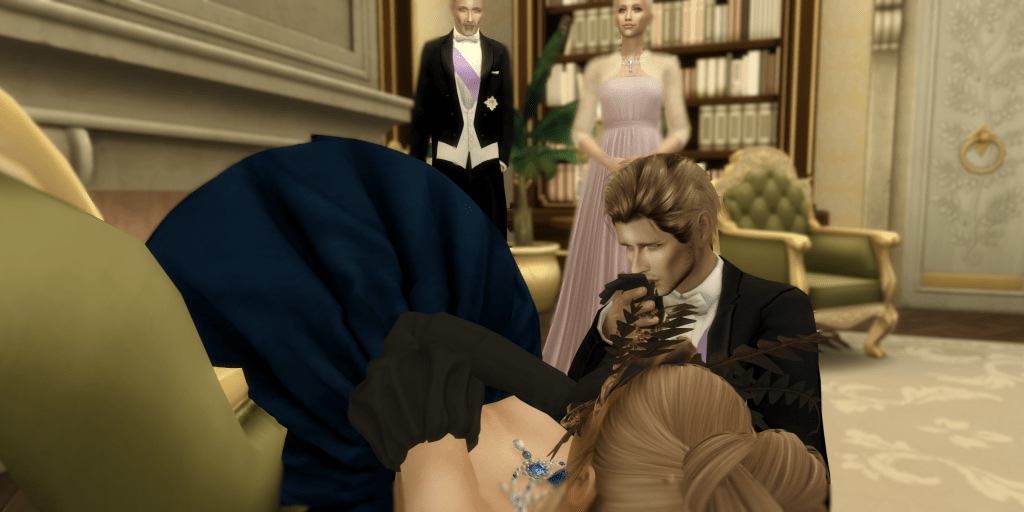
“You fainted,” Geneviève said gently. “Understandably.”
Luc brushed his thumb over my knuckles, grounding me, anchoring me. I swear I heard a tire‑screeching sound in my head. Fainting? People still did that? I did that? Since when? And this whole scene — the family gathered around me like I was a Victorian heroine — would’ve been hilarious if I didn’t feel like I’d been hit by a truck full of emotions and strange news.
“I don’t faint,” I muttered, sitting up. “Like, ever. And now I’ve almost done it twice in one day? Then again…” I winced. “I nibbled on lunch, skipped dinner, had champagne, and then you all dropped a royal‑sized bomb on me, so… yeah. That tracks. Guess I faint now too. Aren’t I just fuckin’ fancy? Ah – sorry – I meant to say… very fancy.” I corrected, clearing my throat. Probably more off‑color than ever before to curse in front of these people here, knowing what I knew now.
A tiny, helpless smile tugged at Luc’s mouth — the kind that said he was relieved enough to find my sarcasm adorable again.
And that’s when the question slipped out — small, shaky, ridiculous in the face of everything, but the only one my brain could form.
“So… wait. Was I delulu in there or… you’re a prince now?”
Luc inhaled — but Geneviève raised her hand ever so slightly, which apparently was enough to shut him up. I promise you, that wouldn’t work in my family. Takes a loud voice and lots of theatrics to get a word in edgewise when the stakes are high where I grew up.
“Let me,” she said softly.
Genevieve smiled at me from the chair across, posture perfect, expression warm in that elegant stepmother way that made you feel seen without being judged.
“Briony, ma chérie,” she began gently, “Luc has always been a prince, since the moment he was born.”
My eyebrows shot up. “Oh.” Sure. Of course. Why not. HUH!?
Charles stepped forward, adding the weight of history to her words.
“He is — and has always been — the Hereditary Prince of Bellacorde. In other nations, the equivalent title is ‘Crown Prince.’ His position has never changed. What will change is the role he is destined to assume — that of Sovereign Prince, a monarch equal to a king in all but name.”
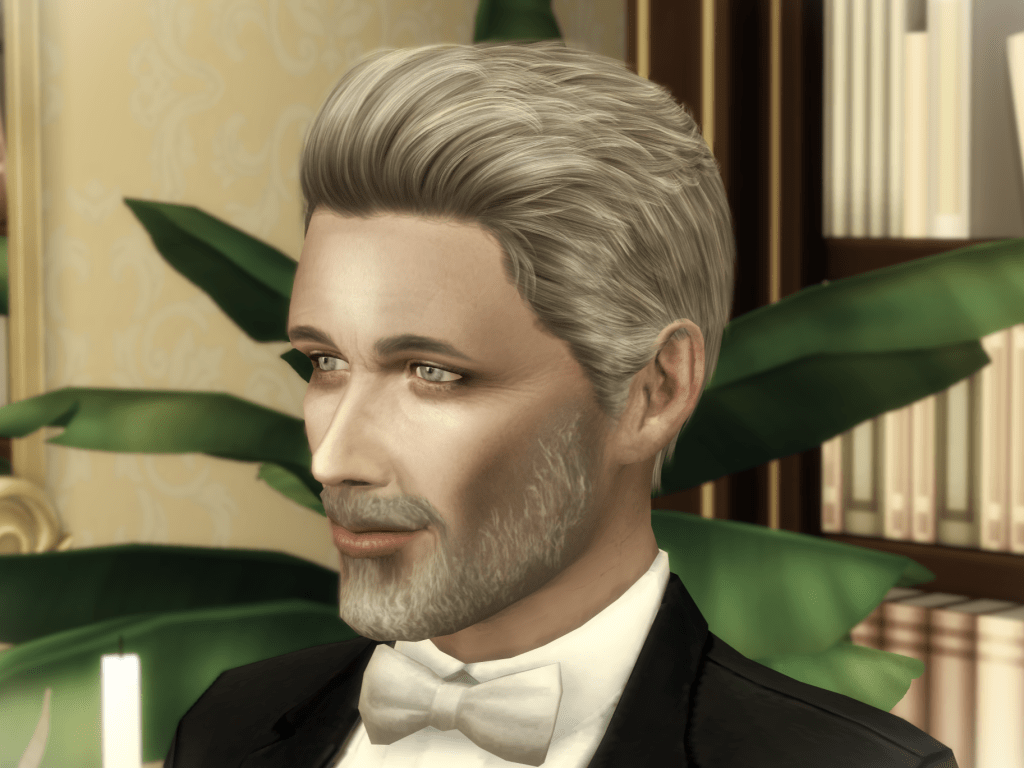
Oh, a king now too. Fabulous. Anything else?
Geneviève nodded, continuing smoothly.
“The Sovereign Prince,” she said, “is, in practice, a king. Bellacorde abandoned the titles of king and queen centuries ago, but the responsibilities remain identical.”
Henry added quietly, “Heir from birth. Sovereign upon ascension.”
Leontine chimed in, soft but certain. “And that ascension will not occur until after he completes his university degree, so you have some time to arrange yourself with the news. The abdication will only be formalized once he graduates. But it is proper to make the intention known well ahead of time, unless of course it’s not possible because of something… more sudden happening.”
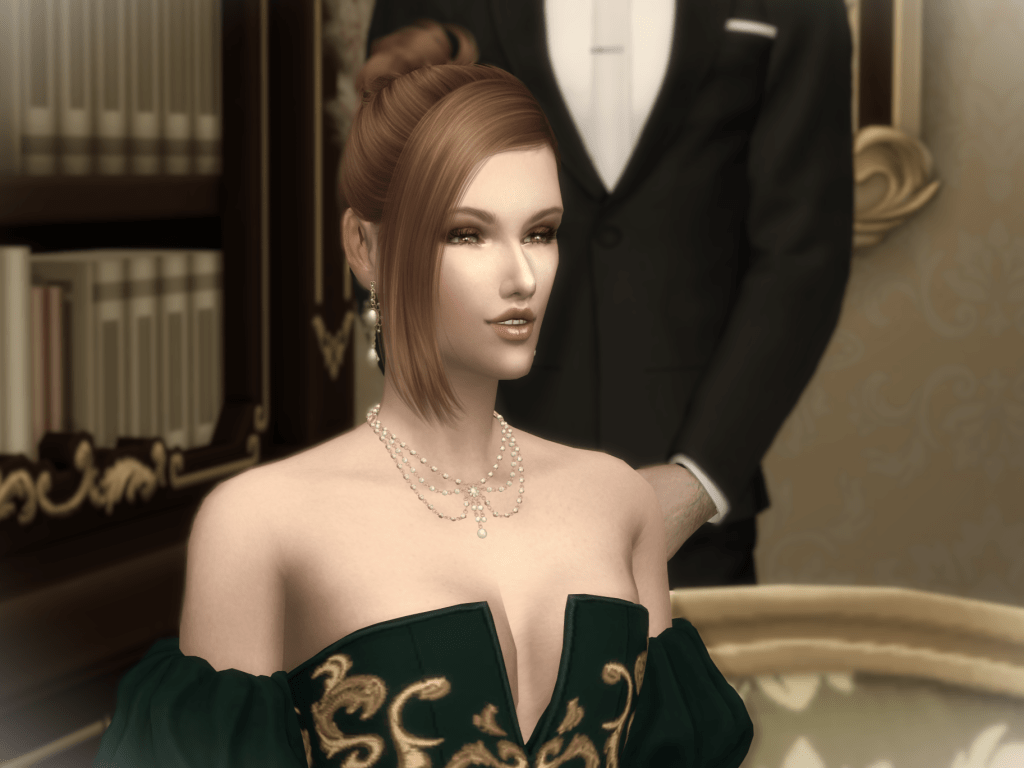
Charles inclined his head. “Yes, my health isn’t what it once was, but not that much of a concern and I intend to keep it that way, which is why I am letting the younger generation take the lead now. Luc will have me there to guide him, and he will finish his studies first, that is paramount. He’ll earn his degree. Only then will he take the crown.”
I blinked, trying to absorb it all. A crown. A kingdom. A prince. Finals. Sure. Anything else? Unicorns maybe?
“So he’s… already a prince. But he’s going to be… basically a king. After finals.” I repeated it out loud because my brain refused to process it silently.
Luc’s thumb brushed my hand again — I’m sure it was meant to ground me, but it kind of irritated me. This couldn’t have come up sooner? Then again, when would have been a good time for this elephant in the room?
“Oui,” he murmured, voice low. “After finals.”
Geneviève’s expression softened even further — and then shifted, becoming more serious, more maternal, more… protective.
“And now,” she said quietly, “we must speak of what this means for you.”
Luc stiffened.
“Maman, now?”
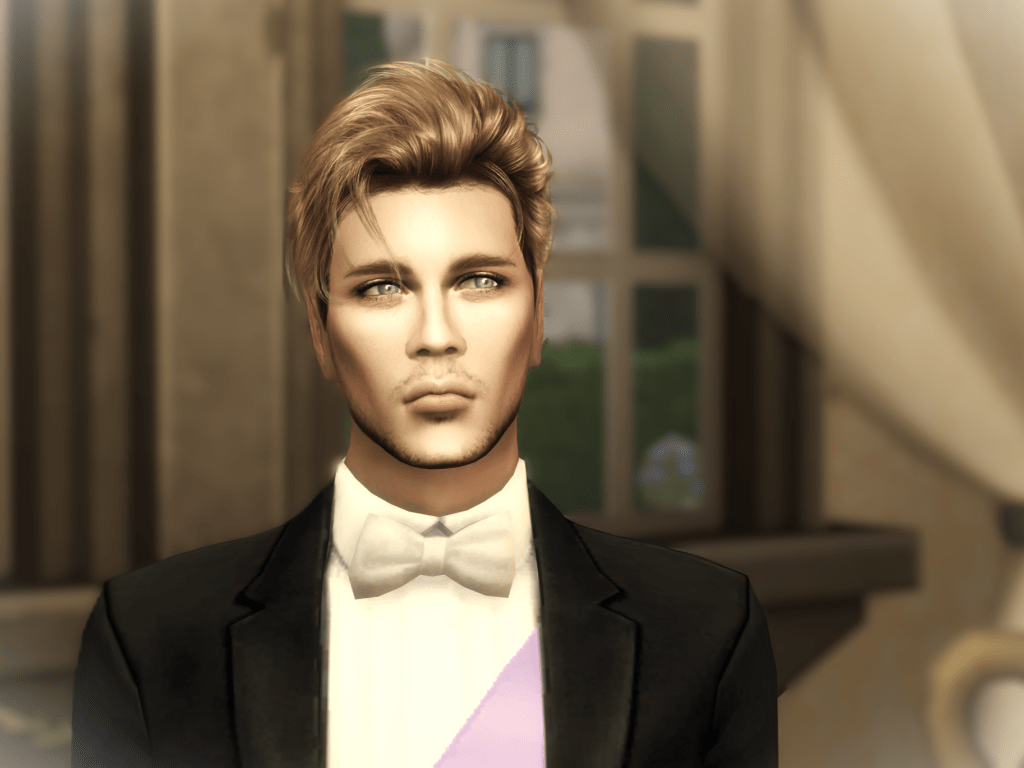
“Yes, darling, now. You do not want poor Briony to get carried away blindly by things that are not always as shiny as they appear to be, ne c’est pas?”
“No,” Luc said quietly.
Charles looked away. Leontine bit her lip. Henry folded his arms.
I swallowed. That didn’t sound good.
Geneviève smiled, warm and steady.
“I was born into this life — I am the daughter of the late King Frederick Cromwell of Henfordshire — but I have helped prepare many young ladies who were not, and I am well aware that it is not easy. Among them, my brother Maximilian’s wife, who is your mother’s cousin, is she not? Aria‑Grace has somewhat distanced herself from her commoner family due to life at court being very demanding and complicated at times, but I distinctly recall meeting Briar Rose and I believe your biological father, Jackson, many years ago, before you were born. They both caused quite the stir at the Henfordian court. Then again, there is Aria‑Grace’s own skeletons with that Kershaw family. Either way, your personal, albeit rather distant, relationship with the Henfordian crown does reflect favorably on Luc’s choice to engage with you so… intimately… which under different circumstances would likely have not been possible. That being said, if you choose to pursue a relationship with Luc,” she said, “your life will change. Profoundly.”
She held my gaze, steady and kind.
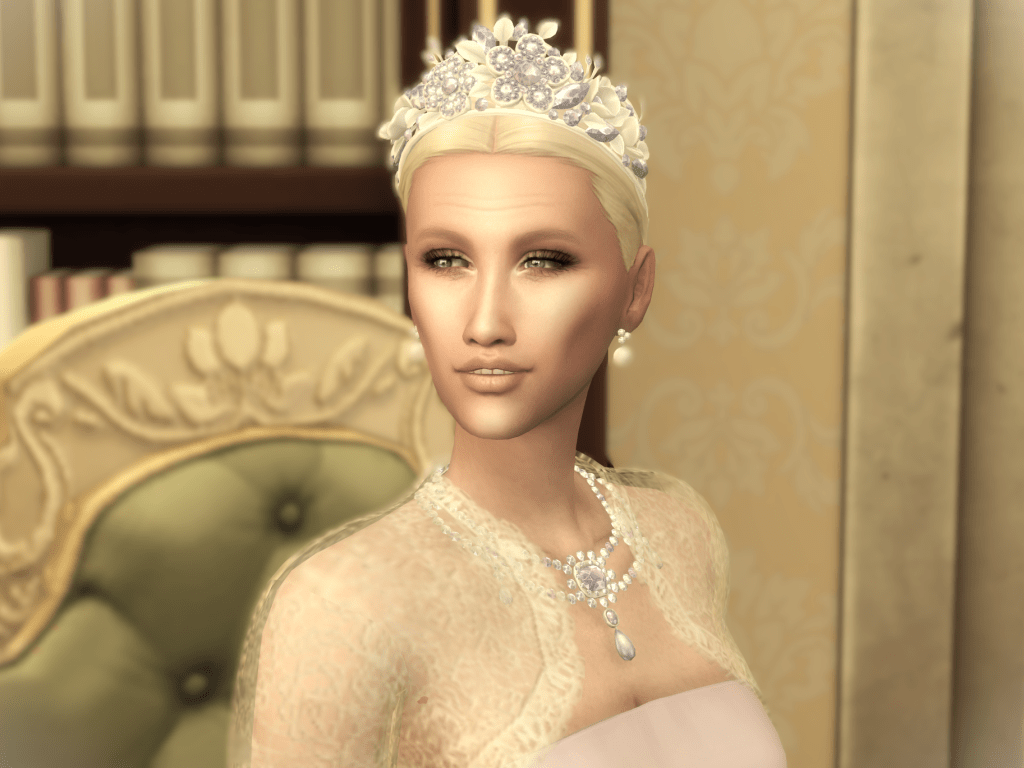
“It is a tough choice to make at a rather young age — then again, I was already married at eighteen to a future king, my late first husband, King Gaetano Rinaldi of Tartosa. But I do not want you to stumble into it blindly. In a simplified manner, it truly is your choice between the man and this life or the life and liberties you know. You will not be able to keep both, not long‑term.”
My breath caught.
“There will be rules,” she continued. “Protocols. Expectations. Guidelines for how you appear in public, how you speak, how you dress, how you move through the world.”
Charles added, “Not to confine or control you — I would like to make that abundantly clear — but because the partner of a head of state is always watched.”
Leontine nodded. “People will analyze everything you do. And I mean everything. Sometimes unfairly. It’s still true for me, and I live in another kingdom now. Still, every color dress I choose, every time I smile too much or not enough, or not at all — everything gets interpreted and plastered into the headlines.”
Henry’s voice was gentle. “It can be overwhelming. For everyone involved. I wasn’t born into aristocracy but am related to it on several sides, and I will tell you, it is a taste some may never acquire. Take heed to what they tell you. It really is in your best interest.”
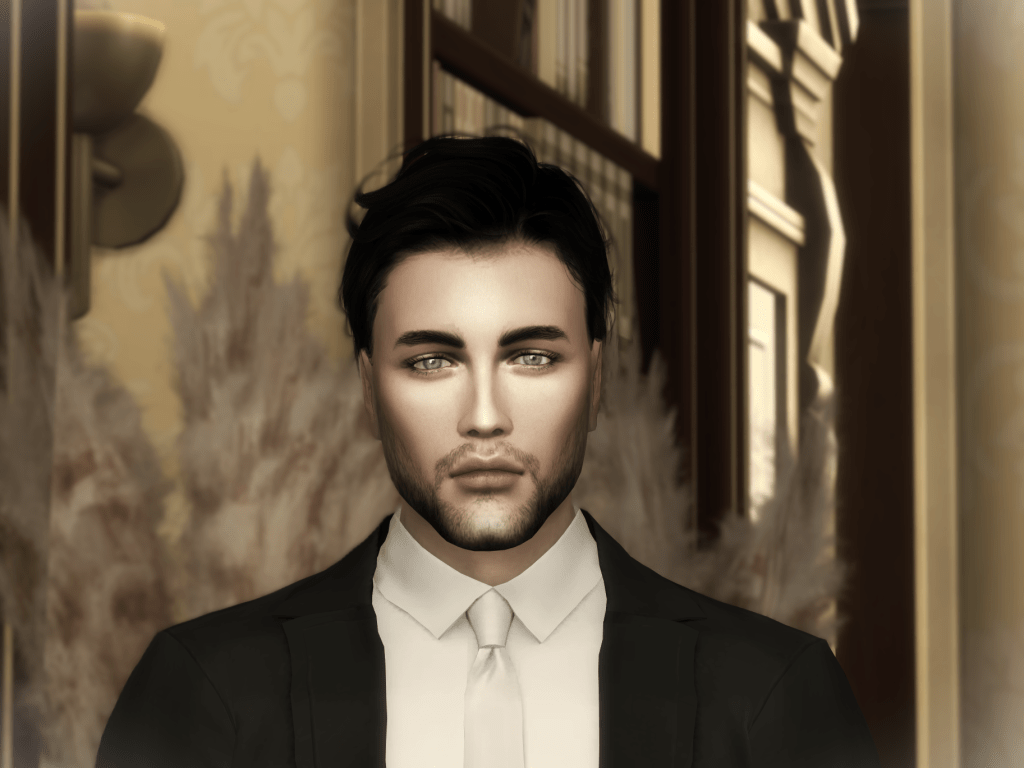
Geneviève smiled at me.
“You would not be alone. We would help you. Support you. Teach you. We want you to succeed. But it is still a choice. Your choice. And a choice to be made wisely and not rash. I can see you love Luc and he you, but that might not always be enough.”
Luc turned to me, eyes full of fear and hope and love all tangled together.
“You don’t have to decide anything now,” he whispered. “But I think you will have to decide sooner rather than later. I will understand and accept whatever you choose. I just need you to be truthful with me. Honesty really is key — do not be afraid to hurt my feelings.”
I looked at him — really looked — and felt the world flip over again.
Not from shock this time. From understanding. From the weight of what loving him actually meant.
From realizing he hadn’t hidden this to deceive me — he’d hidden it to protect himself, his family, and because he didn’t want it to scare me off. He wanted me to know him first.
And man… this was some serious shit.
If I told Cody, he’d tell me to run — with some cowboy‑grade cursing sprinkled in. Mom would probably swoon at the idea of her daughter becoming a real‑life princess. Brad would give me a full pros‑and‑cons lecture, color‑coded, footnoted, and inconclusive. Dad would laugh and tell me to get the heck out of here. ASAP.
Hmm.
I was scared — but also intrigued. By him. By this life.
Think of me what you will, but… I know I was born into privilege. Just not this level of privilege. And if we’re being honest, would I really have a career in business without people screaming nepotism and “Vitamin C,” dismissing anything I did on my own? Would I have any real career? It sounds good on paper, but let’s be honest: I didn’t need the money. I was going to university to prove something — mostly to myself, but also to the world. That I could do it. Even if I didn’t have to.
And let’s continue: I grew up hiding from scrutiny, press, paparazzi, social media, fans, gold‑diggers, and people who just love stirring up drama. Proven again recently when I didn’t have the luxury of being a dumb eighteen‑year‑old making dumb mistakes. I panic‑smooched my uncle — a tiny peck, barely anything — and it turned into a media avalanche that nearly buried my entire family. Over nothing.
So if they needed me to be extra careful in public? Done and done. I already had to be. Especially now that everyone was watching, waiting for me to stumble again.
Yes, I’d talk it over with Mom, Brad, Dad, Cody, Beau, and my grandparents — but ultimately, I would have to live with it. I would have to decide. And Brad always said, “Everything in life comes at a cost. You just have to figure out if it’s worth it to you.”
So let’s review:
My first love never loved me enough to choose me over hardship. My second love — and I know you won’t believe this, because I’m high on cloud nine and absolutely crazy in love — but the love of my life turns out to be a Prince. One who will become something like a king once he graduates. Someone I met half a year ago. Someone I only recently upgraded to romantic status.
Was I the type to be the future partner of a king‑like ruler? Most definitely not right now. I knew that. Guys, I’m self‑aware.
I curse so hard it makes sailors blush. But I could learn not to. And I would. Brad’s been in my life since I was six or seven, and he never let us get away with certain things. He never yelled — he explained. So around him, I was always different than when I was with Gramma and Gramp, or Dad and Beau and their crew.
To be here, with Luc, I had to learn how not to speak my mind the second something pissed me— …upset me. And yeah, a few of my more risqué outfits probably needed to go into the donation pile.
I knew there was a lot to learn. But even if I’d been with Becks, or a guy in showbiz, or some attorney or doctor or hedge‑fund bro — no matter what — if it’s real enough to invest in, you always leave a part of yourself at the door. Nobody stays 100% themselves in a serious relationship.
Mom taught me that early. Not intentionally — I was just a kid watching her drama with Dad and Brad, torn between two men she loved in different ways. She had to be a different version of herself for each. Eventually she chose. And I think she chose right. I love my dad, but truth be told, I could never be with a guy like him. Or my brother. Or Cody. A horse rancher? Living permanently on a ranch? Gawd no. Never ever.
Funny side story — one I will never tell Luc: Beau and I were actually born out there, in the prairie, right after our parents’ wedding. Dad thought it would be romantic to get away, see the stars, have a late‑night picnic and then some. Well, during the “then some,” Mom went into labor. They didn’t make it to a hospital, so we were born literally out in the sticks. Dad cut the umbilical cords with a pocketknife he sterilized over the fire.
We lived there for the first few years. I don’t remember much — and honestly can’t imagine it — but then I got very sick. Severe allergies to native weeds. Almost died a couple times. Flatlined. Mom gave Dad an ultimatum. Dad was being Dad, Mom was being Mom, Beau was being Beau… and that’s how we ended up split up even while they were still “together.” The first marriage crumbled. They tried again. It blew up. She married Brad. I lived in Brindleton Bay. Loved it. But Mom couldn’t stop loving Dad and eventually divorced Brad. Mom and Dad never remarried — and eventually she married Brad again.
And now that girl — me — and a prince. Hmm.
But was any of that my fault? My choice? Nope.
So why not step into a dream every girl has at some point? Why not date the prince?
Gawd, it still sounded ridiculous out loud.
But seriously… why not?
Might as well lean into it. Right?
Right.
The Promise of a New Day
I woke up slowly the next morning — not in a dramatic fainting‑couch way this time, thank God — but in that weird, floaty, post‑apocalypse calm where your brain is like, Hey girl, remember last night? Yeah. That all actually happened.
The room was quiet. Soft. Too soft.
I honestly didn’t remember how I got here, but apparently I’d walked myself, even though after almost nineteen years of never fainting, I suddenly seemed to have a subscription.
Early sunlight spilled through the tall windows in long, golden stripes, like the universe was trying to be gentle with me for once. I lay there on my side, staring at the sunrise like it might explain my life choices.
A prince. I was dating a prince. A future… king‑but‑not‑king. After finals. No pressure.
I pressed my face into the pillow and groaned. “Holy shit.” I hadn’t even called Mom and Brad yet — for obvious reasons — and honestly had no idea how to explain any of this without them assuming I’d gotten into the good drugs over here.
A knock at the door.
Oh no. Not the tattling maid squad. Not now. Not today.
I ignored it.
Another knock — polite, persistent.
Nope. Try again later, ladies. Just fuck off already.
A third knock — louder, impatient.
I sat up, hair a disaster, voice feral. “WHAT?!”
The door swung open like someone had kicked it — because someone had.
Luc stumbled in sideways, fighting gravity, dignity, and the doorframe all at once. He was carrying a silver breakfast tray piled with enough food to feed a small army… and he had a red rose clenched between his teeth like a man who had absolutely overestimated his ability to multitask.
“’Mornin’,” he mumbled around the stem. “Breakfas’?”
I blinked. Then snorted. Then absolutely lost it — full laugh, full chaos, full I cannot believe this is my life.
I scrambled out of bed, nearly tripping over the blankets as I rushed to save the tray from imminent death.
“Luc! Oh my God, what are you doing?” I took the tray from him before he dropped it, still giggling as I set it on the bed.
He spit the rose into his hand, cheeks flushed, hair adorably mussed. “I was trying to be romantic,” he said, breathless. “It went better in my head.”
“You think?”
He straightened, then presented the rose to me with this earnest little flourish. I took it, trying not to melt, then tippy‑toed up to kiss him. His arm slid around my waist and suddenly the drama of last night dissolved and I just… melted into him.
When the kiss ended, I stayed there for a moment, leaning against him, smelling the rose, listening to his heartbeat.
He rubbed the back of his neck with his free hand. “I didn’t sleep much,” he admitted. “I kept thinking about you. And last night. And whether you were… okay.”
My laughter softened into something warm and melty.
“I’m okay,” I said quietly. “Really. But damn.”
He exhaled — a long, shaky breath like he’d been holding it since the announcement.
“Yeah,” he murmured. “Look, I brought coffee. And croissants. And fruit. And… whatever this is.” He lifted a tiny covered dish. “I just grabbed everything.”
“Good! I am famished. I skipped dinner last night and you fed me champagne and some serious news. I could eat the bu—” I stopped myself. I was about to say butthole out of a dead skunk, which felt wildly inappropriate given the circumstances, so I downgraded to, “…a horse.”
“I do not think I brought that,” he said, smiling. “Hopefully we can make do.”
I sat down on the bed and tugged him down beside me.
He laughed — low, warm, delighted — and handed me the coffee first, because he knew me. Like… knew me.
We sat cross‑legged on the bed, sharing pastries and fruit, knees touching, the sunrise spilling gold across the sheets.
And for the first time since the world tilted, everything felt… steady.
Not simple. Not easy. But steady.
And as I watched him steal a piece of fruit off my plate with that guilty little grin — the one that made his eyes crinkle and his accent slip just a bit thicker — something terrifying and wonderful settled in my chest.
Maybe I could do this. Maybe I could choose him. Maybe I already had.
I set the tray on the nightstand, grabbed a small bunch of grapes, and climbed into his lap, straddling him like I’d been doing it my whole life. He made a soft sound — half laugh, half breath — and let his hands settle on my hips as I fed him grapes like some Roman mistress in a painting, each grape followed up with more kissing – huge shocker, I know.
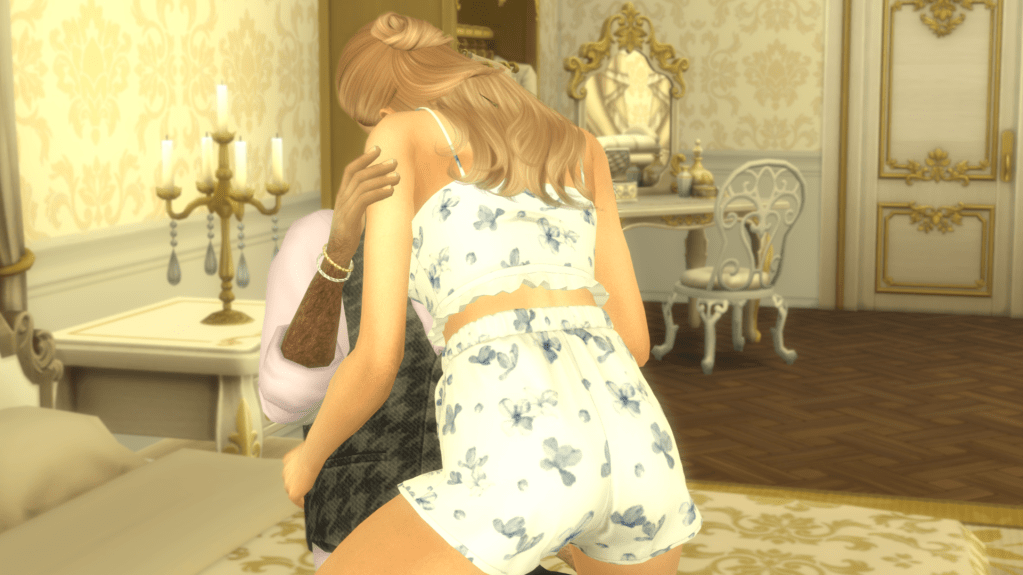
He chewed, wiped his mouth with the back of his hand, and then smiled up at me — slow, warm, unguarded.
“This,” he said, voice low, that Bellacorde lilt curling around the word. “This is why. I know you were wondering — and if you haven’t yet, you will. This is your answer. You are… special. One of a kind. The only one who ever stood out.”
“The only one that stood out?” I raised a brow. “Dude, how many have there been?!”
He laughed, shaking his head, accent thickening the way it did when he was flustered. “Non, non, pas comme ça — not like that,” he said quickly, clearing his throat. “My father has been after me to… ah… meet someone… for a while. He has made quite a few introductions.”
He lifted one shoulder in a helpless, elegant shrug.
“Nice. Polite. Très bien élevées — very well‑raised. All the things a young lady of the proper ranking is expected to be. But…” He searched for the word, palms up. “They were… prévisibles. Predictable. Not their fault. They were raised as I was — with rules, expectations, a certain… script.”
His eyes softened, drifting over my face like he was memorizing it.
“I could not imagine forever with any of them. There was no spark. No… vie — no life. They did not make me feel anything. Not the way you do. How do you say — did not get a rise out of me.”
He lifted one hand in that unmistakably Bellacorde way — fingers pinched together, wrist loose, a tiny flick outward like he was tossing the whole idea away. Elegant. Effortless. Very him.
I smirked, leaning in just enough for him to feel it. “Oh, I know for a fact I can get a rise out of you.”
The Cameron in me spoke before my brain could stop it. Whoops. But it made him laugh — really laugh — head tipping back, hands tightening on my waist.
“Yes,” he said, still smiling. “You can. And zat is one of the million reasons why it had to be you. No other girl would ever say something like that to me.” He brushed a strand of hair behind my ear, thumb lingering on my cheek. “Yet the consensus among the peerage was that you looked like a princess — graceful and stunning. My father was very pleased with the way you were received.” His mouth curved. “Fainting included. Très proper of you.”
“Oh God, everyone saw that. Did I at least look like they do in the movies?” I laughed, burying my face in my hands.
He shrugged, eyes sparkling. “Well… depends on which kind of movie you are watching. If it has to do with lumber felling, then oui, absolument.”
I smacked him with my pillow, laughing, which only made him laugh harder. He caught my wrists easily — too easily — and with one quick pull, I toppled onto my back, breathless, as he leaned over me and kissed me, warm and unhurried.
When he finally pulled back, he brushed his nose against mine. “Qu’est‑ce que tu veux faire aujourd’hui, ma chérie? What would you like to do today?”
“Sightseeing,” I said immediately. “I’ve been here three days and haven’t seen any of Bellacorde. That just feels wrong — from what I can see, it is so beautiful here. But is that even possible? Can you go out?”
He made a soft sound — half amusement, half disbelief — and rolled onto his side beside me, propping his head on his hand. “With you? Tout est possible. Anything you like.”
Sightseeing
Luc met me in the palace courtyard just after breakfast, looking unfairly good in a soft lavender shirt with the sleeves rolled up — the kind of rolled up that suggested he might help a fisherman haul in nets or seduce someone’s daughter on a balcony. The courtyard itself smelled faintly of lavender and citrus; the palace gardeners had tucked blooming bushes into every corner, and the morning sun warmed the scent until it wrapped around us like something expensive and calming.
“Ready?” he asked, offering his hand.
“Define ready,” I muttered, but took it anyway.
Security followed at a polite distance — two men in suits, one woman in sunglasses, all pretending not to stare at us like we were a walking diplomatic incident waiting to happen.
Luc leaned in, voice low, accent brushing the edges of his words. “Today, Bellacorde is yours, ma chérie.”
And damn it, I melted a little.
We wandered through a long, winding street lined with old‑world buildings — balconies dripping with bougainvillea, fountains bubbling in tiny squares, shop windows displaying pastries that looked like they had trust funds and generational wealth. Lavender was everywhere: tied in bouquets on door handles, woven into wreaths, tucked into window boxes, bundled in baskets outside shops. Even the breeze carried it — warm, floral, familiar.
“Okay,” I said, pointing. “What’s with the purple? Did someone lose a bet?”
He laughed, warm and easy. “It is the Beaumont family color. The first ruler of Bellacorde carried a lavender banner into battle. The region was full of lavender fields then. It became a symbol of dignity, clarity, and devotion.”
I blinked. “So your whole country is color‑coded to your family?”
He shrugged. “Tradition.”
“Right. Totally normal.”
He squeezed my hand. “You look good in lavender.”
I pretended not to blush. Failed.
As we walked, I noticed something strange — or rather, something missing. People looked. They smiled. They waved. They greeted Luc with soft Bonjour, Votre Sérénité or Your Serene Highness. But nobody screamed. Nobody shoved a phone in his face. Nobody tried to grab him or me. Nobody acted like we were zoo animals.
It was… peaceful. And the lavender scent drifting from every shop and planter made it feel even more surreal — like the whole kingdom was collectively breathing slower.
A woman selling flowers curtsied as we passed. Her stall was overflowing with lavender bundles tied in silk ribbon. “Your father is very kind, Highness. Thank you for lowering the taxes again.”
Luc smiled, warm and princely. “All thanks go to my father, madame.”
Then he leaned down and whispered in my ear, “It only took me three weeks to convince him.”
I snorted. “People‑leaning prince, huh?”
He winked. “Toujours.”
The gardens were massive — manicured hedges, marble statues, fountains that probably cost more than the average suburb. Lavender bushes lined every path, their scent rising in soft waves as we brushed past. Everything smelled like roses, lavender, and old money. Luc led me to a stone wall carved with the Beaumont crest — a stylized mountain and vine intertwined.
“This,” he said softly, brushing his fingers over the carving, “is where Beauvigne comes from.”
I tilted my head. “Beauvigne?”
He smiled — that soft, proud, old‑family smile he didn’t use often. “Beau — for Beaumont. And vigne — vine. It means ‘the beautiful vine.’ Or, more literally, ‘the vine of Beaumont.’”
“That’s… poetic,” I admitted.
“It is history,” he corrected gently, accent curling around the word. “My ancestors settled here eight centuries ago. Back then, Bellacorde was little more than a rocky coastline and a few fishing villages. But the hills…” He gestured toward the terraced slopes. “The hills were perfect for grapes. They planted vines that took root so deeply they survived wars, storms, even the great drought of 1472.”
I blinked. “You know the date?”
He laughed. “Mais oui. Every Beaumont child learns it. The vineyards are our legacy. Before we ruled, we cultivated. Before we had titles, we had the land.”
“So Beauvigne is… what? A fancy winery?”
He shook his head, stepping closer. “It is the heart of Bellacorde. The first Duke of Beaumont built his home here — not a palace, but a manor surrounded by vines. The people called it le domaine des vignes Beaumont — the estate of the Beaumont vineyards. Over time, it became simply Beauvigne.”
“That’s actually beautiful,” I said quietly.
He brushed a curl behind my ear, voice dropping. “It is more than beautiful. It is who we are. The mountain for strength. The vine for resilience. The lavender for clarity.” His thumb grazed my cheek. “And you… you fit here more than you know.”
I swallowed, suddenly warm all over — and I swear I could smell lavender on his skin, like it clung to him the way sunlight did.
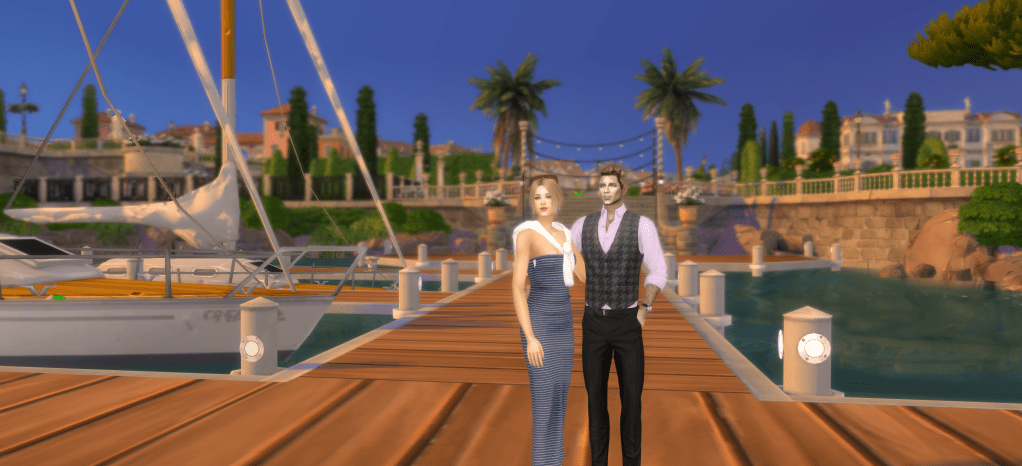
We walked down to the waterfront, the Emerald Sea glittering like someone had spilled diamonds across it. The breeze lifted my hair, carrying the faintest hint of lavender from the gardens behind us, and for a moment everything felt… light. Possible.
Luc pointed across the water. “That coastline there — that is Dambele.”
I squinted. “Seriously? I can see another kingdom from here?”
“And beyond that curve,” he continued, “is Verdemar.”
“Okay, that’s wild.”
Security trailed behind us, murmuring into earpieces, doing their best impression of “casual.” I was used to that part. Mom often had security around.
Then they got distracted talking to local police about something involving a delivery truck and a very angry fisherman.
Luc noticed. I noticed.
I nudged him with my elbow. Wiggled my eyebrows. Nodded toward a small sailboat tied to a post.
He looked at the boat. Looked at me. Looked at security.
Still distracted.
He grabbed my hand.
“Run.”
We sprinted down the dock like two teenagers ditching class. Luc helped me into the boat, shoved it off, and jumped in after me.
Security: PANIC MODE ACTIVATED.
One of them yelled, “Your Serene Highness!” Another yelled, “Not again!” The woman in sunglasses actually swore in French.
Luc caught the wind in the sail, and suddenly we were gliding across the water, laughing like idiots.
“You’re insane!” I shouted over the wind.
“You encouraged me!” he shouted back.
“Yeah, well, I didn’t think you’d actually do it!”
He grinned. “You should know me better by now.”
“Oh sure,” I said. “With all the years we’ve known each other. Centuries. Millennia. I was there when you were born, remember? Even though I am — gulp — seven years younger.”
He laughed, accent thickening in that way that made my stomach flip. “Mon Dieu, if you had been, I would have fallen for you even sooner. As they say, quand le cœur sait, il sait — when the heart knows, it knows.”
We laughed together, the moment stretching warm and bright between us, the world narrowing to wind and sunlight and the boy who shouldn’t have been mine but somehow was. The security detail shouted from the harbor, but their voices felt miles away.
For the first time since the announcement, I felt… free.
We landed on a small island — quiet, sun‑drenched, dotted with wildflowers and old stone ruins. Lavender grew wild here too, in soft purple clusters that brushed our legs as we walked. The air smelled like salt, warm earth, and lavender warmed by the sun.
Luc helped me out of the boat, his hand lingering at my waist.
“This place,” he said softly, “is part of our history.”
“Tell me.”
He led me to a shaded spot beneath an old olive tree. Lavender bushes clustered around the roots, their scent rising in soft waves.
“Four centuries ago,” he began, “there was a noblewoman named Cordelia Thebe. She was promised in a political marriage to secure an alliance. But she fell in love with a scholar from Verdemar.”
“Forbidden love,” I whispered. “Juicy.”
“They met here,” he said. “This island was their refuge. When their affair was discovered, he was exiled. She was forced into marriage. She returned here once more and wrote a final letter.”
“What did it say?”
He looked at me, eyes soft, voice dipping into that accent that made my heart do stupid things.
‘I was born for duty, but my heart was born for him.’”
My breath caught.
“That’s… heartbreaking.”
“It is preserved in the palace archives,” he said quietly. “We learn it as children.”
I didn’t know what to say. So I didn’t say anything.
I stepped closer. He stepped closer.
And then he kissed me.
Slow. Deep. Meaningful. The kind of kiss that made my knees go weak and my brain go offline. Lavender brushed my calves as we stumbled back, laughing into each other’s mouths, breathless and warm and wanting.
It got heated — fast. Hands. Breaths. Bodies pressed close.
But then he pulled back, forehead resting against mine, breathing hard.
“We should stop,” he whispered.
“Yeah,” I whispered back.
Neither of us moved.
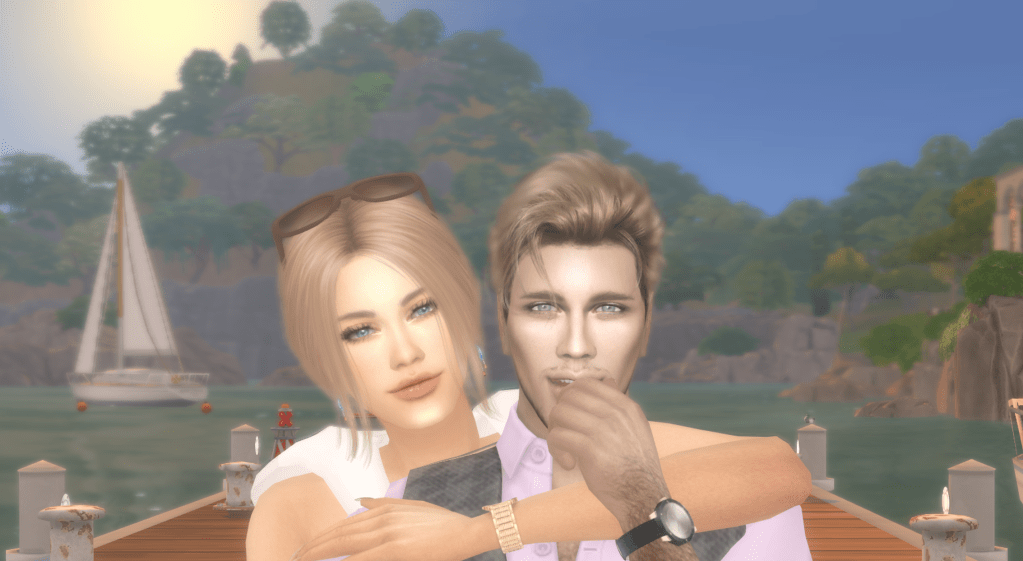
Eventually we did. Eventually. And even more eventually, we returned. Begrudgingly, as I like to add. Sigh.
Security was waiting on the shore, frazzled, relieved, and trying very hard not to yell at a prince. Luc apologized. I tried not to laugh. Failed. We walked back toward the palace, still damp from sea spray, still smelling faintly of lavender and salt, still smiling like idiots, still pretending the world wasn’t about to crash back in.
But it was.
And it did.
The Study
The moment we returned, we were summoned to the study.
Charles was waiting in a room lined with leather‑bound volumes, oil portraits of Beaumont ancestors, and a massive carved desk that looked like it had witnessed more political intrigue than most governments. Late morning light filtered through tall windows, catching the silver at his temples. Even here, faint traces of lavender drifted in from the courtyard — subtle, expensive, unmistakably Bellacorde.
He stood with his hands clasped behind his back, posture immaculate.
“Veuillez vous asseoir. Please, sit.”
Luc sat. I sat. Security hovered like traumatized chaperones until Charles dismissed them with a single, effortless gesture.
The door closed. Silence settled — heavy, ceremonial, expectant.
Charles cleared his throat.
“I am pleased to see you both in such good spirits, truly,” he began, voice smooth as polished stone. “However, there are certain… exigences de la cour — requirements of the court — that must be observed.”
Luc winced. I braced myself.
“No public displays of affection,” Charles said. “None whatsoever.”
I blinked. “Wait — I can’t hold hands or kiss my own boyfriend in public? Bit extreme, don’t you think?”
Charles offered a patient, diplomatic smile. “Officially, you are not a couple.”
Luc made a strangled noise like someone had stepped on his dignity.
“I’m sorry — what?” I asked.
Charles continued, tone calm, precise.
“For a minimum of six months — often longer — there must be discrétion absolue. No labels. No announcements. No photographs. No speculation. And absolutely no touching in public.”
Luc leaned forward. “Père, surely—”
“Luc.” A single word. A royal command wrapped in paternal disappointment.
Luc froze.
Charles added, softer but immovable, “Tu sais pourquoi.”
You know why.
Luc exhaled, defeated. “Oui, Père.”
Charles turned to me, expression gentler.
“It is nothing personal, Briony. I do not bestow my approval lightly, nor without conviction — and you would not be left in doubt were it otherwise. But decorum must be upheld and protocol followed, not as a constraint, but as a shield for you, for Luc, and for the House of Beaumont.”
He stepped closer, hands folded behind him.
“Young love is vibrant. It burns brightly. But sometimes the rose‑colored glasses hide things one or both of you later find impossible to live with. We wish to avoid a situation that results in unfavorable repercussions — for either of you.”
Charles’s gaze flicked briefly to Luc — not accusing, not harsh, but with the quiet weight of memory.
“Luc has… experienced this before,” he said gently. “A relationship that began with promise, with sincerity, with all the naïveté of youth. They were very much in love. And I…” He exhaled softly, almost regretfully. “I allowed them a certain freedom. I looked the other way on decorum, on protocol, on the rules that exist for a reason. I thought it kinder to let them be young.”
Luc’s jaw tightened, eyes dropping for a moment.
Charles continued, voice low. “But the pressure of this life is… formidable. They were not prepared. Neither of them. And when it unraveled, it did so painfully — for both parties. It taught us all that clarity and caution are not cruelty. They are protection.”
Luc murmured, “Père…” A warning. A plea. Embarrassed.
Charles softened. “I do not bring it up to shame you, my son. Only to explain why we are careful now. Why we must be. We do not wish to see either of you hurt in such a way.”
He smiled — genuinely, almost fatherly.
“Eh bien… the normal timeline of aristocratic unions is as follows…”
Luc groaned under his breath. I sat up straighter.
Charles lifted a hand, counting off each stage with the calm precision of a man who had delivered this speech to generations.
“First, discretion. Six months to one year of discrétion absolue. Officially, you are acquaintances. Friends, at most.”
I choked. “Friends? After everything?” Was he kidding me? He himself had called us out on our first night of nookie together — he knew we were well past holding hands.
Charles inclined his head, acknowledging the absurdity without yielding. “Yes. Friends. Officiellement. We are all aware that you have known each other for six months, and that your… attachment has deepened recently. But the public does not know this. And they must not. For them, you are merely connaissants — acquainted.”
Luc looked like he wanted to fling himself off the nearest cliff.
I threw my hands up. “Okay, but help me understand something. Luc and I have known each other for six months already — more, even. We spent the entire last semester glued together. There are your six months of hide‑and‑seek right there. So what’s the problem with a little PDA? It’s not like we were tongue‑kissing in the town square. Just some hand‑holding. Maybe a peck here and there.”
Luc made a strangled noise of agreement.
Charles folded his hands behind his back, posture immaculate. “The problem, Mademoiselle Cameron, is that the six months you refer to are private months — months the palace was not aware of. The official timeline does not begin when two young people meet, nor when feelings develop, nor even when affection is exchanged.”
He paused, letting the distinction settle.
“It begins when the palace becomes aware. When we are informed. When we can protect you. Everything before that is considered personal life — and personal life does not exist in protocol.”
Luc muttered, “Which is absurd.”
Charles ignored him with the grace of a man who has ignored his son’s commentary for twenty‑five years.
“For the public,” he continued, “you and Luc have known each other for… approximately twelve hours. Perhaps we could extend that to the day you arrived, although that would be a stretch, as my wife and I did not arrive until yesterday. And until the discreet period has passed, that is the only version of events that may exist.”
He lifted a hand, returning to his outline. “Then comes the stage of being a companion of the prince. After the discreet period, if the relationship is still stable, you may be introduced quietly — not as a girlfriend, but as a companion of His Serene Highness.”
I frowned. “That sounds like a Victorian euphemism for mistress.”
“It is a formal designation,” Charles said smoothly. “It signals seriousness without commitment.”
“Then courtship. After another six months to a year — sometimes two — the palace may acknowledge a formal courtship. Still no public affection.”
He added, “During courtship, you would be referred to as la demoiselle en cour — the lady in courtship with His Serene Highness. Never ‘girlfriend.’ Such terms are… insufficient for our context.”
I threw my hands up. “So even if we cut it down to the shortest allowed timeline, I can’t touch him in public until, what, 2028?”
Luc didn’t hesitate. He reached for my hand — not tentatively, but with quiet certainty.
Charles’s brow lifted in the universal fatherly Luc, remember the rules expression.
“In private,” Charles clarified. “Among yourselves, you may do as you prefer. And even here, as my son so aptly demonstrates.”
Luc’s ears flushed pink.
“After that time, engagement. Typically three to four years after the initial meeting.”
My jaw dropped. “Oh wow, you really like to plan things out. Spoiler alert — most girls like it to be a surprise, but okaaaaay.”
Charles nodded. “A man of Luc’s status cannot date randomly or perpetually. If it is real, an engagement is a natural progression. There is no need for me to pretend otherwise. If your love is real and as strong as you believe, Briony, there will be an engagement eventually. N’est‑ce pas, mon fils?”
Luc muttered, “Oui, Père.”
“And then marriage,” Charles said. “A royal wedding is a state event. Planning begins within days of the proposal, though the ceremony is held almost exactly twelve months later. And yes, that timeline is also fairly firm. The court does not believe in rushing, nor in dragging things out. One year after the engagement.”
I swallowed. Hard.
“And finally,” Charles said gently, “children.”
I coughed so hard I nearly died. Luc patted my back like I was choking on a grape.
“I know you are newly in love, but facts are facts, and best laid out now. This is as much tradition as it is expectation. Luc is the sole heir and must issue heirs. Children typically follow within the first three years of marriage.”
I stared at him, stunned.
Luc stared at me, terrified I’d bolt.
Charles studied me. “Briony, you do wish to have children, do you not? If not, that would pose a significant problem. Luc has been thoroughly evaluated by our medical council and is parfaitement apte. He is perfectly capable of fathering children. Any future partner is customarily assessed as well. Please be aware of that.”
My jaw dropped. “Oh. Perfect. First I get tested to see if I’m a good broodmare, and then two kids one to three years after the ring. Got it. Any preference on gender? Hair color? Should I pencil in a third in case one doesn’t cut it as a monarch or turns out to be ugly?”
Luc snorted, then coughed into his hand. Charles blinked once — the royal equivalent of a spit‑take.
“The gender sequence is immaterial. We have had female sovereigns; it matters not. The existence of heirs does.”
He added, “Mieux vaut mettre toutes les cartes sur la table maintenant que plus tard. Better to lay all cards on the table now.”
He clasped his hands again.
“This timeline exists to protect you both. To ensure that when the world sees you, they see stability, not impulse. And to give you time to decide whether this life is one you wish to embrace.”
He looked directly at me.
“You have more agency than you may realize. You may choose this path. Or not. But choose with clarity, not infatuation.”
My throat tightened.
Luc whispered, “I’m sorry. I know it’s a lot.”
Charles turned to him. “Son, why would you get more invested, only to lose her in the end? Or would you rather she walk into this blindly, only to end up unhappy — perhaps even resenting you?”
Luc’s shoulders dropped. “No, Père.”
Charles’s expression softened. “Then honesty is necessary.”
He turned back to me.
“Many young women — including those of the highest aristocratic families — would be eager for a chance to stand where you stand.”
Luc stiffened. “Père—”
“Luc.”
Silence.
Charles continued, “None of those connections progressed because Luc did not wish them to. Aucune. Not one. But the world will not assume this. They will imagine competition. They will compare. They will question why he chose you.”
He paused.
“This is not to unsettle you, but to prepare you. C’est la réalité de notre monde.”
I looked at him — really looked — and despite everything…
I still felt the same thing I’d felt on the island.
I wasn’t going anywhere.
Fine. Look but don’t touch in public. Touch all we want in private. Manageable.
Brad’s voice echoed: Everything in life comes at a cost. You just have to decide if it’s worth it.
Mom’s mantra followed: Anything worth having is worth fighting for.
I could do this. He was worth it.
People underestimated me. They always had.
But this? This wouldn’t be forgotten.
If I could stand beside him without crumbling, I wouldn’t just survive this life.
I’d own it.
The Study – Part Deux
Another day, everyone busy, I got bored.
Bored became exploring. Exploring became snooping. Snooping became—
Well. I ended up in Charles’ private study.
Lavender drifted in from the front yard through a cracked window, mixing with the scent of old books and polished wood. I leafed through the Beaumont family tree book — yes, apparently that’s a real thing — peeked at drawers, ran my finger across books older than the last two generations of Camerons combined…
Then I heard footsteps.
Shit.
No curtains long enough and they all were masterfully tied up, not a hiding space. No alcoves. No wardrobe.
Except… the grandfather clock.
Yup.
With a faint clonk, I squeezed myself into the hollow space behind the clock face, praying it wouldn’t chime or stop ticking or do anything that would expose me.
The door opened. Voices entered. The door shut.
Two men. French. Rapid‑fire. Annoyed.
I didn’t understand a word — until I heard my name.
Luc. And Charles.
Luc sounded upset. Charles sounded… less upset, but definitely not thrilled.
And then I did the dumbest possible thing, unable to do anything to stop it.
I sneezed.
The sound echoed inside the clock like a gunshot in a cathedral.
Silence. Footsteps. The clock door swung open.
Charles stared at me like he was reconsidering every diplomatic treaty his country had ever signed. Luc stood behind him, horrified and trying not to laugh.
“Hi,” I said.
Charles sighed — deeply — and offered me his hand. I climbed out, dying inside. Luc’s shoulders shook with suppressed laughter.
“Mademoiselle Cameron,” Charles said. Nothing more. Nothing needed.
“I’m sorry,” I blurted. “I was exploring and don’t know where which door leads yet, so I ended up here and then you were coming in and I panicked and—”
He closed his eyes briefly, then opened them with the resigned patience of a man who had raised Luc.
“Thank you for being honest,” he said. “Since you are in such a forthcoming mood, perhaps you would not mind shedding light on something brought to my attention.”
He reached for a manila folder — which Luc immediately grabbed.
“Father, please.”
They had a silent standoff. Luc lost.
Charles handed me the folder.
I opened it. Saw the headline. Saw the photo. Saw Cody’s face. Saw mine. THAT shit AGAIN!?
“Oh COME ON,” I groaned. “Not THAT again!”
Charles arched a brow. “It appears the press found it compelling.”
“It was a stupid misunderstanding,” I snapped. “He’s my uncle — only five years older — and we’re more besties than uncle and niece. We vibe, you know? So I was doing a test internship at my stepdad’s company in San Myshuno and my ex showed up with a beautiful new girlfriend, I was far from over him then, so I panicked, kissed Cody, my ex’s new girlfriend took a pic of that for reasons unknown, and when my ex and I got closer again, he dumped her and she revenge-deepfaked the pic into a scandal, tabloids went feral because I am related to so many famous people, the court cleared me, she got in trouble and the press was asked to courteously print corrections because I am young. End of story.”
“Yes,” Charles said calmly. “And yet the story persisted.”
“Because the press is insane,” I said. “And vultures. And obsessed with Camerons.”
“And,” Charles cut in, “that sort of incident would be catastrophic for a royal family. Any irresponsible action, no matter the reason, could be detrimental. This is why we keep the timelines we discussed in great detail yesterday.”
My spine stiffened. “I’m not irresponsible.”
“That is a confident statement,” Charles said dryly, “coming from a young lady who just emerged from my wall clock.”
Luc choked, no longer able to keep from laughing. I turned scarlet and swatted at him.
“That was—different,” I said.
“Was it.”
“Yes! Who invites a guest and then just leaves them in a place like this. I don’t know where anything is at. I can’t even go shopping cos I am your dirty royal secret or something. And there is only so much I can canter through your courtyard, look, I am not my twin brother, he’s the outdoorsy one. I wasn’t spying on your royal secrets, plus, spoiler alert, I know very little French and most has to do with food. So even if I read anything, best I could do is grade your penmanship! And in case it needs saying again, I love your son. Why would I screw that up like this?”
He gave me a long, assessing look — sharp, but not unkind.
“My concern is not your character,” he said. “It is the world you come from. Entertainment thrives on chaos. We do not. Bad publicity is very bad for us, et c’est tout.”
“I can handle scrutiny,” I said. “I had one scandal, and I explained why. Do you think I’m keen on a rerun? I love my family — you think I would want to hurt them again? I’m not an idiot, I—” I faltered, suddenly aware I had no idea what to call him. “Uh… Your Highness?”
Luc smiled gently, sympathetic but silent — he knew better than to answer for his father.
Charles’s expression softened — not amused, not stern, but genuinely kind.
“For a sovereign prince,” he said quietly, “the correct form is Your Serene Highness. In French, Son Altesse Sérénissime.”
He paused, then added with quiet warmth:
“But in private, Briony… you may call me Charles.”
Luc exhaled, relieved. “Merci, Père.”
Charles inclined his head, reassuring. “And I understood your meaning regardless. You need not fear misspeaking. You are learning our world — et cela suffit. That is enough.”
His tone gentled further. “As my wife told you previously, we want this to succeed, no matter what you may think of me now. I like you, Briony, and I wish for this to become permanent. But we must be realistic and keep a level head.”
His gaze sharpened — not unkind, but honest. “Your scandal is a problem, and I had to bring it to your attention. And Luc should have brought it to mine sooner, as he tells me he was aware.”
Luc stepped forward. “Father, Briony has been judged enough for something that was not her fault.”
“The world does not care whose fault it was,” Charles said.
“But I do,” Luc replied.
That made Charles look up.
Luc continued, “She survived it. She learned from it. She is not reckless. Father, are you infallible? I am not. The only reason I would hold this against her is if she repeats such incidents — and I truly believe she learned the lesson.”
Charles considered this. “Peut‑être. Perhaps.”
Then he turned to me.
“I am not your enemy, Briony. But I am responsible for my son, my family, and the stability of a nation. I must ask difficult questions. And I must hold my son — and now you as well — to certain standards.”
“I understand,” I said quietly.
“Do you,” he asked — but this time it wasn’t a challenge. It was almost gentle.
“Yes,” I said. “I do.”
He nodded once.
“Très bien.” A breath followed — soft, almost inaudible. “Et cela… est impardonnable.” Not aimed at me. A private rebuke, the kind he would only allow himself in French.
He straightened. “Now, you have also pointed out a mistake of mine — namely that I have been a terrible host. While we must observe certain codes, you are a guest of the court, and we shall make your visit as entertaining and pleasant as possible. Forgive me, Briony.”
His expression warmed, the faintest echo of what Luc might look like in a few decades. “Now… what would you like to do today?” he asked with a charming smile, offering me his arm.
For a moment, I simply blinked at the gesture — unexpected, formal, and strangely kind. Then I slipped my arm through his, returning his smile.
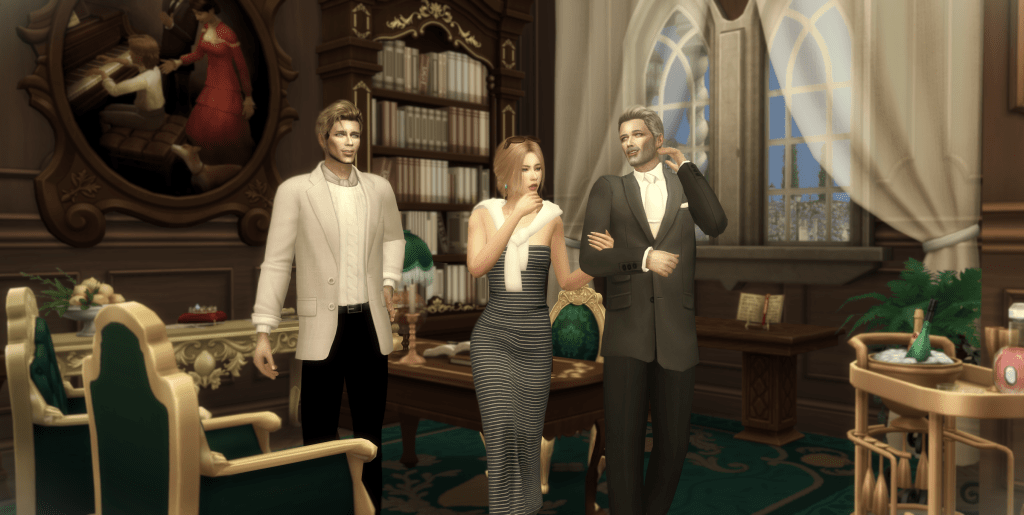
Luc shook his head, amused, then walked ahead and opened the door for us.
As we stepped forward, Charles murmured, “Allons‑nous, alors.” A beat. “Shall we, then.”
 EchoesOfLegacy
The contrast between the masquerade ball’s grandeur and the quiet, intimate reckoning of the morning after is such a compelling narrative device. The line about Briony uncovering truths that make yesterday’s revelations ‘feel like only the beginning’ is such an effective hook, it really made me want to keep reading. The complexity of Luc’s confession as both steadying and unraveling is psychologically really rich writing. Your storitelling instincts are clearly sharp. Will be checking out the previous chapters!
LikeLike