
In the aristocratic courts, adulthood does not begin at eighteen. It begins earlier, quietly, and with ceremony. At fifteen—sometimes fourteen, sometimes sixteen, depending on the customs of each house—young aristocrats enter the Season of Mixers: a series of formal gatherings held throughout the year to introduce heirs to one another long before university, military service, or official duties claim their time.
Attendance is never a full census of the nobility. Only those who have reached the appropriate ceremonial threshold are invited. Some houses send their heirs at fourteen; others wait until sixteen. Many continue attending until nineteen or twenty, especially if their families consider them socially inexperienced or politically untested. Some houses send a single child; others send siblings together, depending on strategy, tradition, and the number of heirs of suitable age.
The Season is only the beginning. At sixteen or seventeen—once an heir has completed at least one year of mixers—they enter the Debutante Circuit, a far more formal series of balls, presentations, and court appearances designed to narrow the field of potential matches. The mixers create familiarity; the debutante balls create possibility. By the time an heir reaches university age, they have already danced, dined, debated, and mingled with the peers who will one day sit beside them in council chambers and state functions.
This year’s opening mixer is held in Windenburg at Schloss Falkenstein, ancestral seat of the royal house von Ahrensberg. Its halls host only a fraction of the continent’s noble youth—just those old enough to begin the dance of alliances, and young enough to still be dazzled by it.
Mixing
Young voices pearled through the vaulted reception hall, rising and falling against elegant chamber‑style renditions of modern songs. Crystal sconces cast warm light across the polished stone floors, and waitstaff in midnight‑blue livery drifted between clusters of guests like well‑trained shadows. The air held that particular blend of perfume, anticipation, and carefully curated aristocratic ease that defined gatherings at Schloss Falkenstein, seat of the venerable House von Ahrensberg.
Some smaller groups had claimed tables for lively conversation, their laughter ringing beneath frescoed ceilings. A few couples swayed on the dance floor, whispering near each other’s ears in that half‑formal, half‑reckless way only young nobles could manage. Others had slipped out into the illuminated palace gardens — terraces of clipped hedges, lantern‑lit paths, and marble statuary — seeking privacy beneath the soft glow of Windenburg’s evening sky.
A sudden roar surged through the ranks when a young man finally appeared at the top of the staircase.
“Oh, look who finally found his way — hours late, but who is counting?”
“Did you get lost in the library again? Couldn’t find the door out?”
“Come on, Hawthorne, make some connections! You know, with real humans.”
“He’ll marry his horse one day. Which highborn girl wouldn’t want a man like him? They would have to look at their marriage certificate to remember they have a husband. A ghost would be more present. Unless you have four legs and look nice in a saddle.”
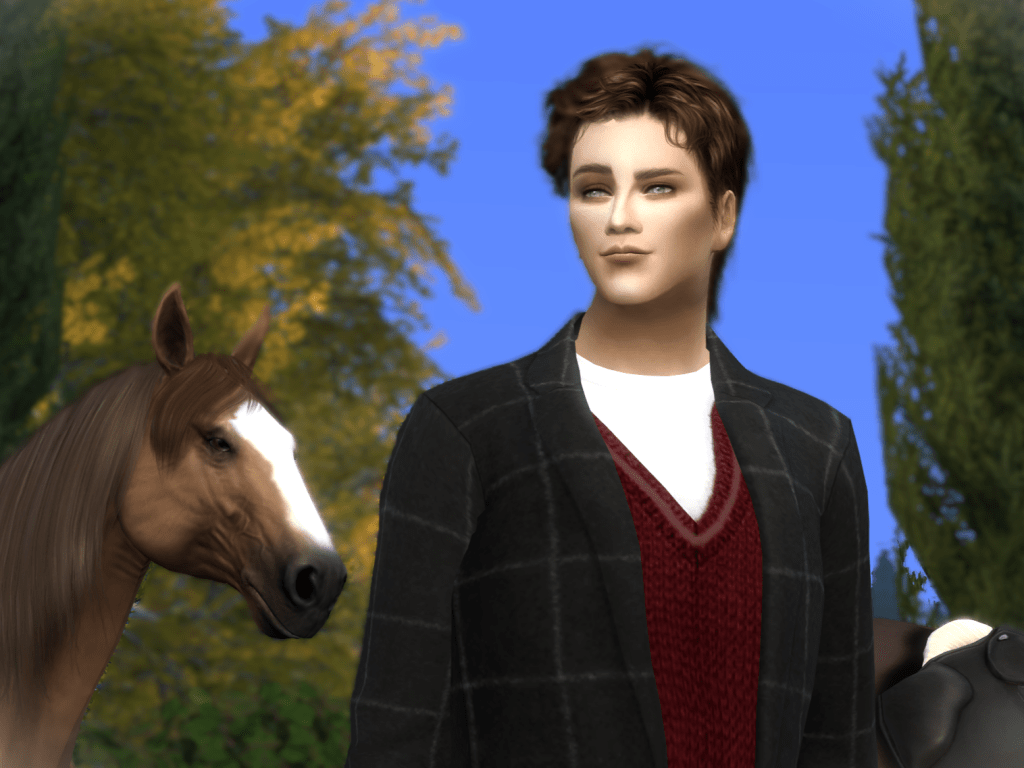
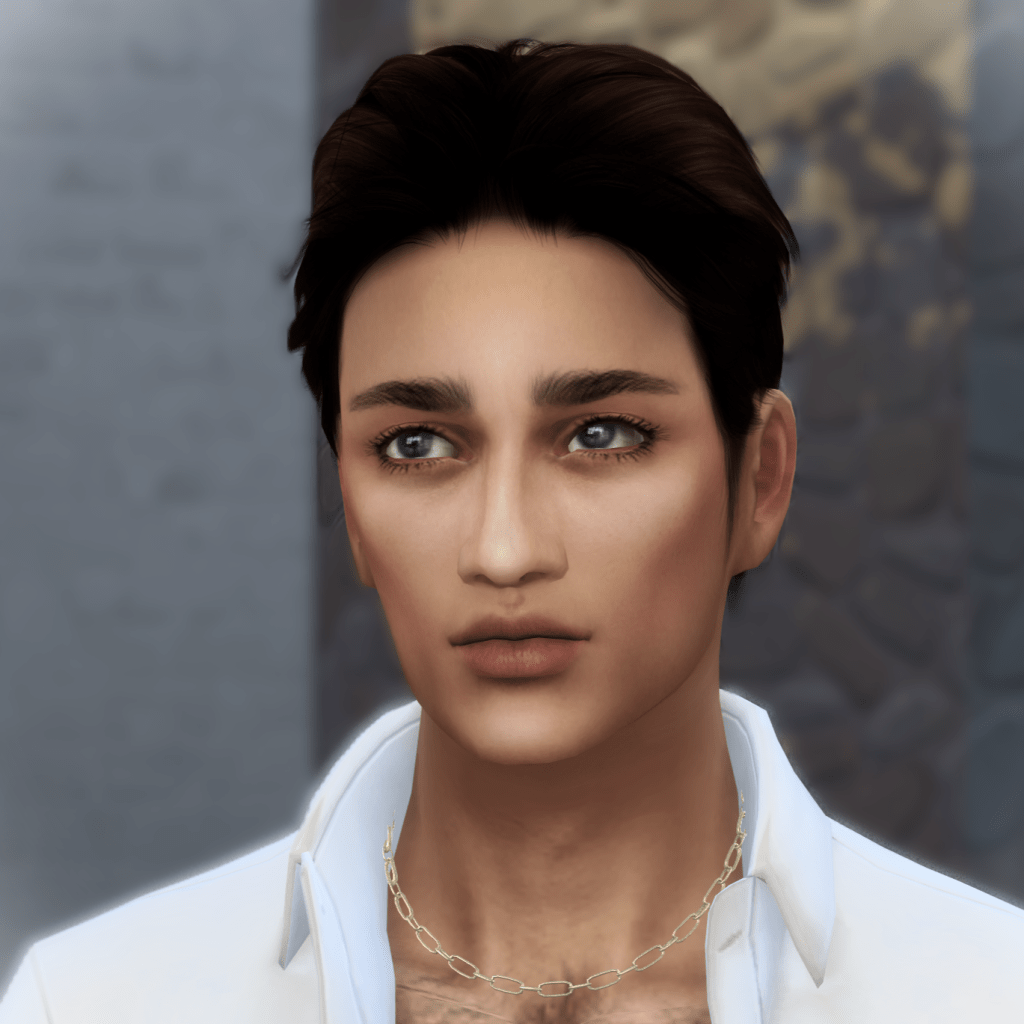
Laughter rippled outward. Rory Jack Hawthorne, Baron of Cavendell‑Chase‑in‑Waiting, paused mid‑step and regretted obeying his mother Vivienne’s gentle but insistent behest to “go down and mingle, darling.” He had known this would happen. Crowds made him anxious; titles made him uncomfortable; and his own lineage — a newly created barony granted by the King of Henfordshire to legitimize a branch of bastard children — was hardly the sort of pedigree that made highborn girls swoon.
He thought bitterly, Who would want my bloodline? A mix of cowboys and stableboys with a sprinkle of aristocracy from a scandal best left buried. He imagined marrying a farmer’s daughter one day — someone practical, someone who wouldn’t mind that his greatest passion was horses and old books. Someone who wouldn’t care that his title was more ceremonial than historic.
He endured a few more jabs, then slipped away, pretending to be famished.
“You should stand up for yourself,” a familiar voice said beside him.
“Hello, Amy. How’s the future‑husband shopping coming along?” Rory asked, tone neutral, eyes fixed on the buffet.
“I don’t have to husband‑shop,” Amelia‑Grace DeWinter replied, lifting her chin with practiced duchess‑in‑training poise. “They come to me. I am the future ruler of a duchy the mainland calls Crumbling Isle — which is rude, but not entirely inaccurate. Who wouldn’t want a piece of that before the ocean claims the rest?”
She sighed, then softened. “Joking aside, where have you been all day? You missed every single activity.”
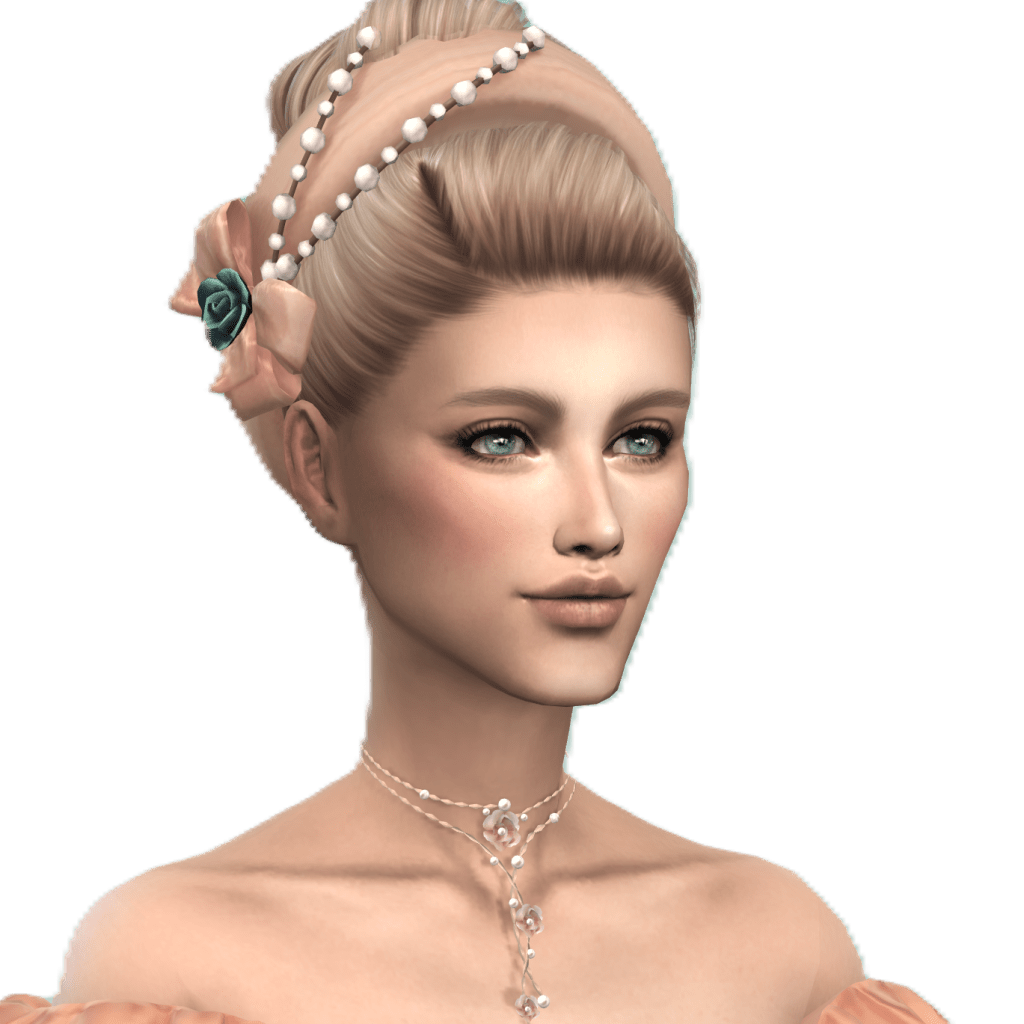
“Here and there. I’ll partake tomorrow.”
“The faux fox hunt? Wow, RJ, how original. Nobody here would have guessed.” She nudged him. “You do not understand the concept of a mixer. It is not to re‑read Shakespeare for the hundredth time in your room.”
Rory’s lips twitched. “‘I would not wish any companion in the world but you,’” he murmured, quoting The Tempest under his breath.
Amy rolled her eyes. “We are a small community, RJ. Just get to know some of our peers.”
“Yeah. Good advice. And you know I prefer to be called Rory.”
He nearly fled, leaving her shaking her head. Her brother Maximilian appeared at her side.
“Why do you keep trying, sister? Je weet toch dat hij koppig is als een muilezel.” (You know he’s stubborn as a mule.)
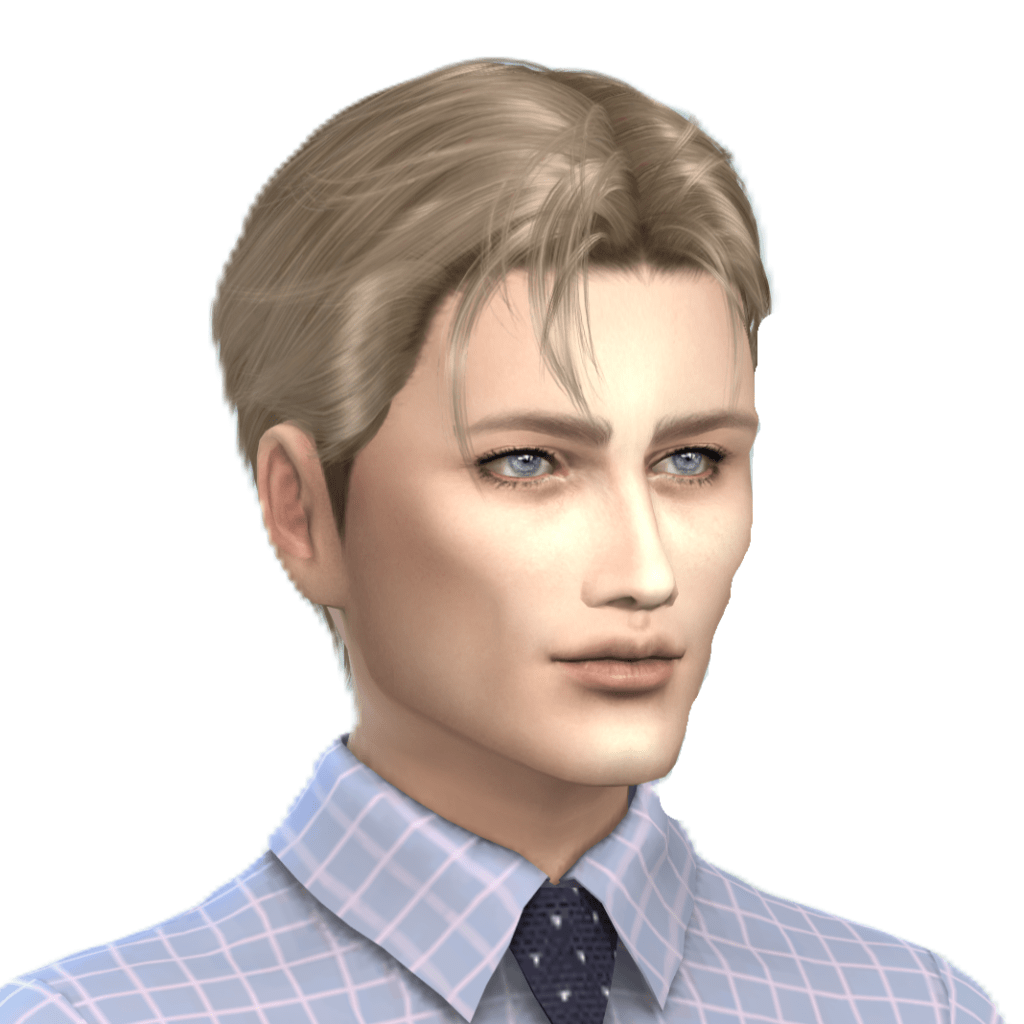
“I know, Max… maar hij kijkt altijd zo verloren. Alsof hij erbij wil horen, maar niet weet hoe.” (But he always looks so lost. Like he wants to belong but doesn’t know how.)
“Waarom ga je dan niet met hem uit?” (Then why don’t you date him?)
“He’s our cousin, Max.”
“Moeten we misschien even onze stambomen erbij pakken? Aan beide kanten?” (Should we pull out our family trees? On both sides?)
With a groan and an eyeroll, Amy walked off, muttering aristocratische idioten under her breath. (aristocratic idiots)
Over The Hedge
Rory found an unoccupied corner in the palace gardens — a stone bench beneath a carved archway — and settled with a plate of pastries and a worn leather book of Tennyson’s collected works. The night air was cool, fragrant with clipped rosemary and the faint sweetness of lantern‑lit blossoms.
He had just opened to Ulysses when something darted behind the hedge beside him — a flash of red silk, dark hair, and wide eyes. A girl crouched low, finger pressed to her lips.
Rory blinked. Several young men approached, searching.
In Tartosan‑accented but otherwise perfect English, the leader asked:
“Hey, have you seen a girl pass by? About so high, dark hair, dark eyes, Mediterranean complexion, red gown?”
Rory glanced at the girl, still cowering like a startled rabbit.
“Why are you looking for her?”
“She is my sister. So — have you seen her or no?”
Rory shook his head.
“Merde! Andiamo. Let’s try the stables.”
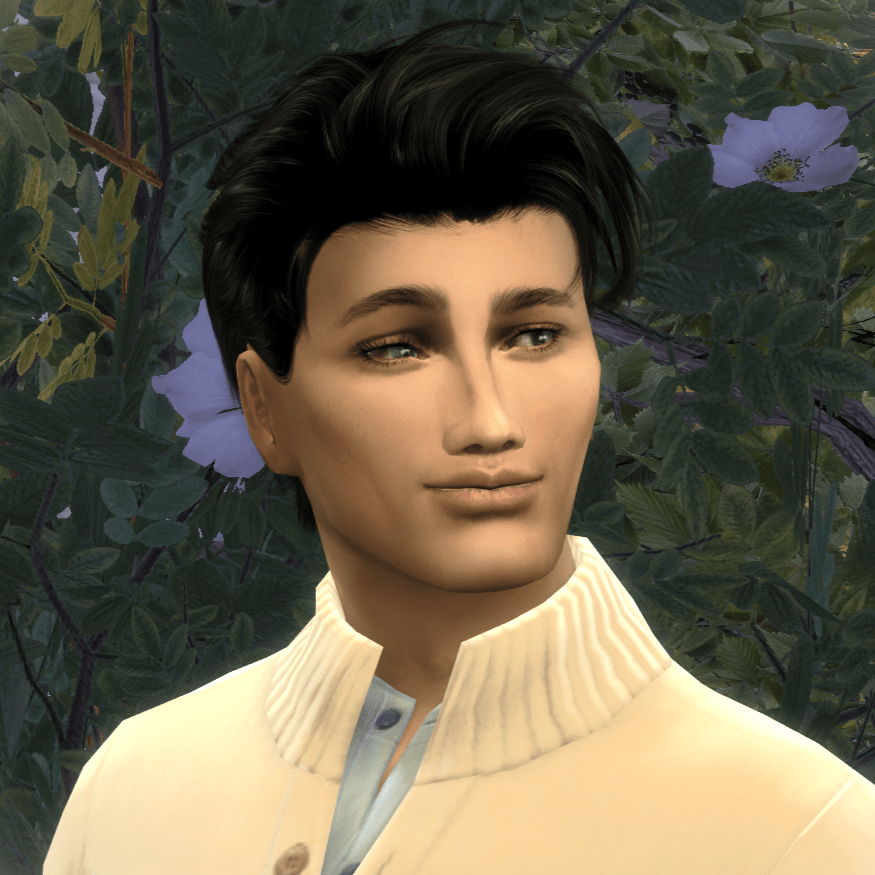
They ran off.
The girl exhaled. “Grazie. Thank you very much.”
“I’m Rory. And you?”
She peeked over the hedge, then sat beside him. “I am Giulia.”
She snatched a pastry from his plate. Rory yanked it back. “Hey! Get your own food.”
“I can’t, or they’ll find me.”
“Who are you?”
“I told you. Giulia.”
“Julia from where? There are dozens of Julias in our circles.”
She reached again, stealing candied fruit.
“Tartosa. And it’s Giuliana, with a G. Not a J.”
“Yes, I figured that by your looks and accent. Are you Borgiano, Rinaldi, or Auditore?”
Chewing, she shrugged unceremoniously. “Rinaldi.”
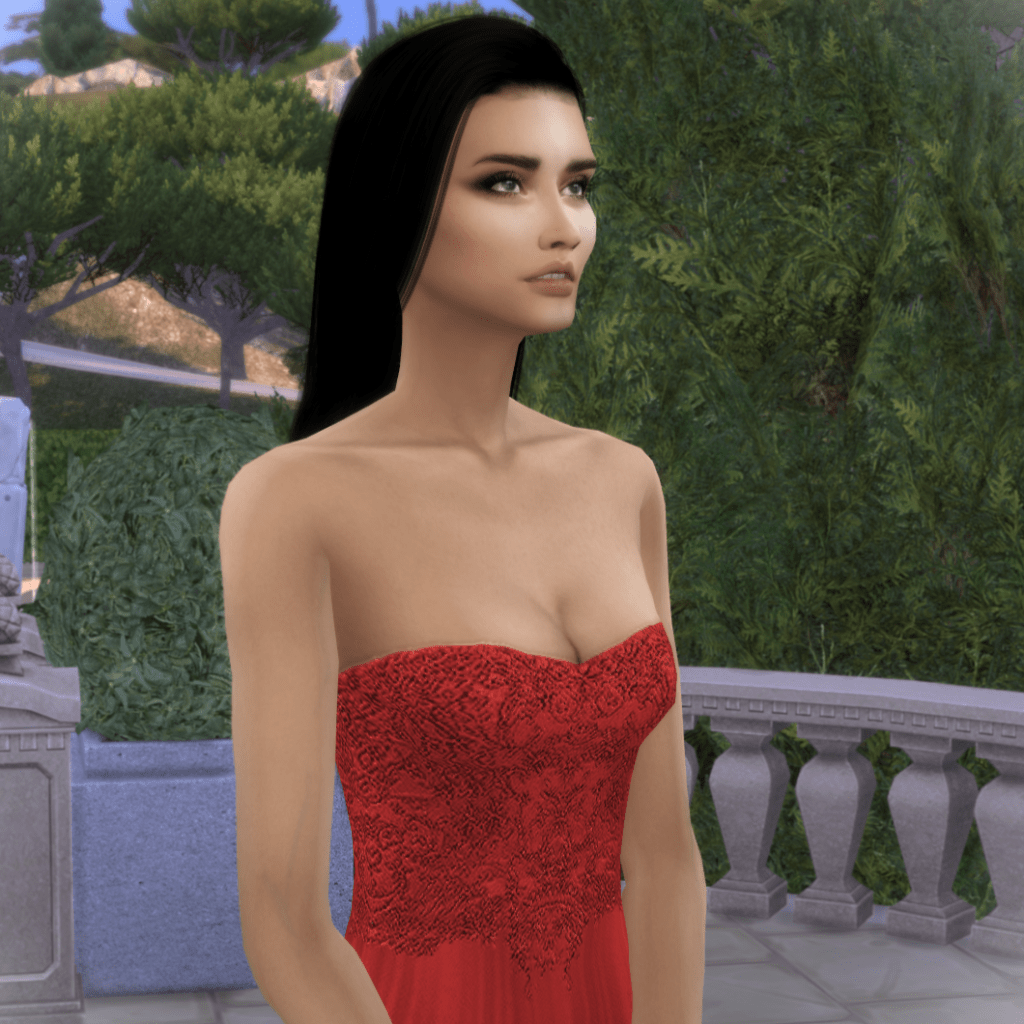
Rory froze, then sat up straighter, instinctively bowing. “Princess.”
Giulia waved a hand. “Please. And where are you from, Rory? Henfordshire? You look and sound Henfordian.”
“Cavendell‑Chase stables. We assist the Crown with breeding and training Cromweller horses. Horses are—”
“Si, si… boring. I don’t like horses.” She shrugged. “So, are you not related to the King?”
“My uncle. Maternal side.”
“Right. The bastardo. I remember my brother talking about you. Said to stay away.”
“Bastard? Wow, thanks. So, was that your brother looking for you?”
“One of them. The other was probably with him. And the bootlickers. Do you have siblings, Rory?”
“No.”
“Lucky you. I’d rather be a bastard and have no siblings than a princess with two overbearing brothers. They are a lot.”
She reached for his plate again. He pulled it away. “No. This is mine. Ask one of the servants to fetch you a plate if you can’t be bothered.”
“I told you I can’t. They will find me.”
“So what? It’s 2026. Our blue‑blooded curse makes things difficult, I get that, but come on. They can’t stop you from eating. Or talking.”
“Ha, you don’t know them. They want to supervise my every step and—”
“There she is!”
Giulia squealed as she was lifted to her feet, scolded in rapid Italian.
Rory rose, plate in hand.
“Hey! Excuse me! You cannot treat a lady like that! Let go of her!”
The tallest young man turned slowly, chin raised.
“Excuse me, do you not know who I am?”
“I assume her brother. But she is not your property. And don’t yell at her. Or me.”
“I am Crown Prince Lorenzo Vittorio Rinaldi, future King of Tartosa. This is my brother Prince Raffaele Amadeo Rinaldi, and our cousins Ezio Giovanni and Luca Sebastiano. What intentions do you have with our sister, Princess Giuliana Elisabetta Rinaldi?”
“Oh, thanks for the full biographical summary nobody asked for. I am having dinner and a conversation with your sister. Which is — correct me if I’m wrong — the entire point of this mixer. Where are your mingling efforts?”
Lorenzo’s eyes narrowed. “Bow, if you address a proper royal.”
Rory’s response was not noble. Not the words he chose, nor the hand gesture accompanying it.
Neither was the fist he threw.
The Tartosan prince was not a lightweight; he met the blow with surprising strength, and the scuffle drew gasps from the garden.
Royal Intervention
The great hall of Schloss Falkenstein had fallen into a hush so complete that even the musicians faltered. King Emeritus Maximilian Cromwell stood rigid by the fireplace, jaw set, the faintest tremor of fury visible in the way his fingers tapped against the carved mantel. His silver‑trimmed ceremonial coat caught the firelight, making him look every inch the monarch he once was — and still felt himself to be.
Across from him, Alexander von Ahrensberg, King of Windenburg, paced with the controlled precision of a man raised in old German courts where decorum was not merely expected but bred into the bone.
“Meine Herren,” he said sharply, turning to the Tartosan princes. “Das hier ist ein höfischer Empfang, kein Boxring.” (Gentlemen. This is a courtly reception, not a boxing ring.)
Lorenzo stiffened, but his chin remained high.
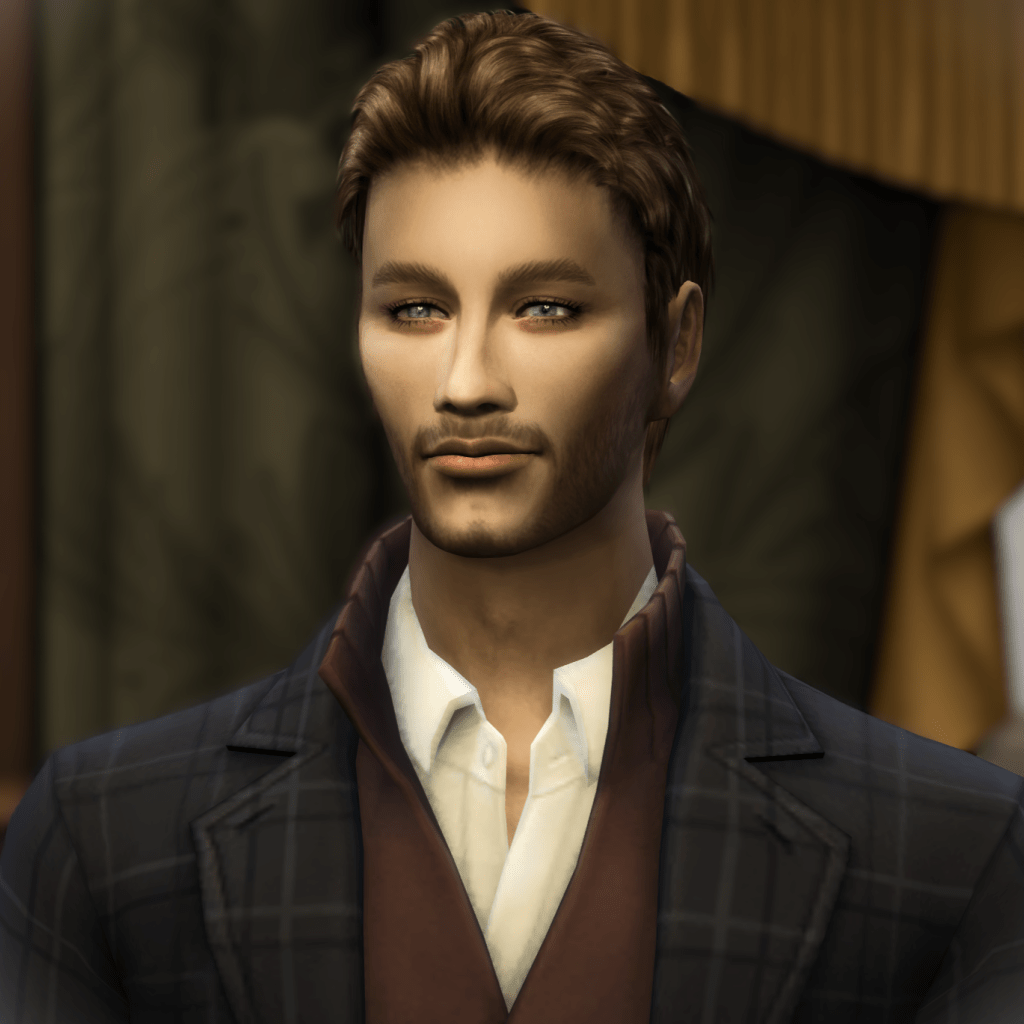
Rory stood beside him, breathing hard, one knuckle split and bleeding. He held his plate of pastries like a shield — absurd, but somehow dignified.
Alexander’s gaze swept over the young men. “You are guests in my court. You will behave as such. And you will explain yourselves. Sofort.” (Immediately.)
Lorenzo inhaled sharply. “Your Majesty, the stableboy—”
Rory’s eyes flashed.
Alexander’s brows rose. “Stableboy? I believe the young man before you is a Baron‑in‑Waiting. Lord Rory Jack Hawthorne of Cavendell‑Chase. And you will address him accordingly.”
Giulia, still held by Raffaele’s firm grip, wriggled.
“Oh, and would you please unhand your sister, Your Highness.” Alexander now addressed Raffaele, who let go instantly.
“Grazie, Your Majesty,” Giulia said quietly, while curtsying.
Alexander nodded once to her, then turned back to the princes and Rory. “Now, meine Herren. What happened?”
Lorenzo lifted his chin. “He struck me.”
“And why,” Alexander asked, voice cool as winter stone, “did he feel compelled to do so?”
Giulia stepped forward before her brothers could answer. “Perché mi stavano sgridando come una bambina,” she said sharply. (Because they were scolding me like a child.)
Raffaele hissed, “Giulia—”
“No,” she snapped. “Basta. Enough. His Majesty should know why.”
“I would second your sister’s notion, Your Highness. We are at my court now and we do not forbid our female members to speak. Please continue, Your Highness.”
Giuliana nodded, her voice carried across the hall, clear and resonant. “Thank you, Your Majesty. I slipped away for a moment of peace. Lord Rory offered me company. And food. And conversation. Nothing more.”
Rory swallowed, then added quietly, “I simply objected to the manner in which His Highness Prince Lorenzo addressed his sister. Evidently, our host would agree.”
Alexander’s gaze flicked to him. “I do. A gentleman’s instinct.”
Maximilian Cromwell exhaled through his nose, still simmering. “And a foolish one, given the circumstances. The first rule should always be to deescalate, not to pelt your opinions into an opponent with fists.”
Rory bowed his head. “I apologize, Your Majesties. I should not have raised my hand.”
Alexander studied him. “No. You should not have. You are all taught words, in several languages, to great extent, so you may wield those as weapons, not your fists. But your intention was honorable.”
Lorenzo bristled. “Your Majesty, honorable?! He disrespected a crown prince.”
“And you,” Alexander replied, “disrespected a lady and at MY court. And unlike you, Highness, I already am a king, and here, no less. You demand to be addressed and treated with the respect you are due, yet fail to extend the courtesy yourself to anyone around you, including your own sister – and by extension, me?”
The hall murmured.
Giulia’s eyes widened slightly — admiration flickering there.
Rory felt heat rise in his cheeks.
Alexander continued, “My dear Prince Lorenzo, here in Windenburg we do not shout at young women. We do not chase them through gardens. We do not push or pull on them. If we wish them to do something they prefer to skip, then we accept it and move on — unless they are our own children, and even then we tread lightly. We know we do not own the young women of our family. We do not force or forbid their interactions with others. And we certainly do not treat mixers as battlegrounds for masculine bravado.”
He turned fully to Lorenzo. “You will apologize.”
Lorenzo’s jaw clenched. “Your Majesty—”
“Jetzt bitte.” (Now please.)
The command cracked like a whip.
Lorenzo inhaled, then faced Rory. “Lord Hawthorne… I apologize for my tone.”
Rory bowed. “Accepted, Your Highness.”
“And you,” Alexander added, turning to Rory, “will apologize for the punch.”
Rory straightened. “Your Majesty, he punched me back several times—”
“Jetzt.” (Now.)
Rory bowed again. “Your Highness, I apologize for striking you.”
Lorenzo nodded stiffly.
Alexander exhaled, satisfied. “Gut. Now that we are all behaving like civilized young nobles, perhaps we may return to the purpose of this gathering.”
Giulia stepped closer to Rory, lowering her voice. “You quoted Shakespeare earlier, sì? My tutor made me read Much Ado About Nothing. I understood nothing but liked Beatrice.”
Rory blinked. “She is… formidable.”
Giulia smirked. “I aspire.”
Raffaele groaned softly. “Giulia, per favore…”
Alexander clapped his hands once. “Enough dramatics. Back to the festivities. And if any of you feel the urge to throw another punch, kindly direct it at a training dummy, we have an entire armory filled with options for you to release your emotions on, not each other.”
Maximilian Cromwell muttered, “Or at least outside my line of sight. I have abdicated, I am a grandfather now, meant to enjoy the slower and finer side of life, not referee the younger generation. Why did I let my wife talk me into chaperoning? This is not even my court or country.”
The musicians resumed. Conversations restarted. The tension dissolved like mist.
Giulia leaned toward Rory. “Walk with me?”
Rory hesitated — then nodded.
As they stepped toward the garden doors, Rory murmured, almost unconsciously, “I could be bounded in a nutshell and count myself a king of infinite space…” (Hamlet.)
Giulia smiled. “You are strange, Rory Hawthorne.”
He shrugged. “I know. I prefer horses and books to humans.”
“And you fight princes.”
“Only when the occasion calls for it.”
She laughed — bright, warm, unrestrained, linking her arm into his — and the sound followed them out into the lantern‑lit gardens.
Nobless Oblige
The next morning began early, as tradition demanded. Breakfast assembly was called for 7:30 a.m., mandatory for all attendees. Even the notorious long‑sleepers were dragged out of bed by determined parents and palace staff.
Rory Hawthorne arrived with a book in hand — as always — only for his grandmother, Aria‑Grace, to pluck it neatly from his grasp with a pointed reminder that mixers were for socializing, not reading. He did not mingle. He simply observed.
The room divided itself instantly: the Tartosians clustered together speaking rapid Italian; the Henfordians gathered in their familiar knot; the Windenburgians remained with their own and the rest of the aristocratic were in mixed piles looking lost. It was, in every way, the exact opposite of mingling — a perfect demonstration of how deeply ingrained house identities were, even among teenagers.
After breakfast came the assembly for the faux fox hunt, one of the oldest ceremonial traditions reserved for the young aristocracy. In modern courts, the hunt is symbolic rather than literal: a team of riders goes out ahead at dawn, laying a trail of markers, clues, and directional signs across the estate grounds. The participating heirs must track the route on horseback, interpret the signs, and locate the final “prize” — usually a ceremonial token placed at the end of the trail.
The winner earns no physical reward, only the honor of being named First Rider of the Day. But among royals, honor is everything. And if one thing is universally true of aristocratic heirs, it is that they are fiercely competitive and relentlessly performative. They have been raised to excel, to impress, and to win — especially in front of one another.
Horses for the event were selected from the von Ahrensberg stables and assigned personally by King Alexander of Windenburg, an avid horseman, and former King Maximilian of Henfordshire, whose family has bred and trained the renowned Cromwellers for centuries. Every mount was chosen for temperament, skill, and suitability to its rider’s experience.
And this is where the tension began.
Rory Jack Hawthorne — absent from last night’s mixer due to yet another equestrian competition — arrived this morning with the quiet confidence of someone who speaks horses more fluently than people. Riding is his language. He knows bloodlines, gait, temperament, and training methods better than most adults. On horseback, he is untouchable. He rides like a god.
Which means every other heir knows exactly what today’s competition means.
Drama is inevitable.
All the present heirs gathered in the lower courtyard, where the horses had already been saddled and prepared. Stablehands stood at attention, reins in hand, waiting for the royal assignments to be announced. The morning air was crisp, carrying the faint scent of dew and leather — the kind of air that makes horses restless and riders alert.
King Alexander and former King Maximilian conducted the assignments with ceremonial precision. Each name was called, each horse stepped forward, and each heir accepted their mount with varying degrees of confidence. Some bowed their heads respectfully; others tried to look more experienced than they were. A few whispered anxiously to one another, already calculating how to compensate for a horse they didn’t know.
Rory didn’t need to calculate anything.
He stood slightly apart from the others, hands in his pockets, watching the horses instead of the people. He could read them instantly — the flick of an ear, the shift of weight, the tension in a jaw. He knew which horse was impatient, which was bored, which was eager to run. He knew which one would be assigned to him long before his name was called.
When it finally was, the stablehand stepped forward with a tall, dark Rhinelander stallion whose coat gleamed like polished obsidian. The horse tossed its head once, as if acknowledging him. Rory’s expression didn’t change, but something in his posture did — a subtle straightening, a quiet recognition. They were perfectly matched.
And everyone saw it.
A ripple of unease moved through the group. The Tartosians exchanged looks. The Henfordians stiffened. Even the Windenburgians muttered under their breath. Rory’s absence from last night’s mixer had been annoying; his presence this morning was threatening. He was the rider to beat, and they all knew it.
The Master of the Hunt raised his voice, calling the heirs to attention. Behind him, the lead riders — the ones who had gone out at dawn to lay the trail — waited with their horses already warmed and ready.
“Today’s hunt,” he announced, “is a test of observation, interpretation, and skill. Follow the markers. Trust your mount. The first rider to reach the final token will be named First Rider of the Day.”
No prize. No trophy. Just honor.
But among aristocrats, honor was currency.
Rory swung onto his horse with effortless grace, settling into the saddle as though he had been born there. The stallion responded immediately, shifting into a collected stance, waiting for the signal. Around him, the other heirs mounted with varying degrees of competence — some practiced, some stiff, some visibly nervous.
The tension was palpable.
The Master of the Hunt lowered his arm.
The horn sounded.
And the faux fox hunt began.
The orchard corridor tightened, branches dipping low enough to brush the riders’ shoulders. Rory guided his stallion carefully, scanning for the next glint of silver. The stallion’s ears flicked forward—alert, listening—just as a sharp crack split the quiet.
Viscount Everett Kensington burst through the trees at a reckless angle, his horse slipping on damp earth. Everett yanked the reins, overcorrecting, and the gelding lurched sideways—straight into Rory’s path and kicked up near his horse.
Rory reacted instantly, pulling his stallion hard to the left, but the ground dipped unexpectedly. The stallion’s hoof struck a hidden root, momentum pitched forward, and Rory was thrown.
He hit the ground hard, rolling once before coming to a stop. Pain shot through his leg, sharp and immediate. Behind him, Everett’s horse reared in panic, and the sudden movement startled Princess Giulia Rinaldi’s mare. Everett’s horse went through the bushes, despite his attempts to stop him. The mare screamed, a high, terrified sound, and Giulia lost her seat.
She fell, landing only a few feet from Rory.
Her horse bolted.
In the distance shouting and horns being blown, the sound of horses riding away fast, then sudden silence.
Rory forced himself upright, wincing as his leg protested. Giulia was already trying to sit up, dazed but conscious.
He limped to her, offering a steadying hand. “Are you hurt?”
She shook her head, breathless. “Just winded.”
Rory glanced toward the direction her mare had fled. The horse was gone, swallowed by the orchard. His own stallion, loyal and trained, had stopped a few yards away, snorting anxiously but waiting for him.
He helped Giulia to her feet, then guided her toward the stallion. “You’re riding with me.”
Her eyes widened. “Rory, you’re limping. We should return to the palace for you to see a doctor.”
“No, I am fine. I don’t stop riding just because of a little ache. And you’re not walking the orchard alone,” he said simply.
He mounted first—slower than usual, jaw tight with pain—then reached down and pulled her up behind him. She settled quickly, arms around his waist for balance, breath still uneven from the fall.
Behind them, the other heirs were returning in complete disarray, having realized they had followed the wrong instincts. Everett was still trying to calm his horse, which bucked across the orchard like a tennis ball. Edward was shouting directions at his twin brother, unsuccessfully trying to grab the reins and stop it, followed by two Windenburgian guards attempting to help.
Raffaele was furious, calling out in Italian at his brother and cousins, who retorted in kind, making the orchard sound like a marketplace in Rome. Princess Johanna was circling the orchard, searching for the next marker. Princess Josephine Cromwell was trying to use logic, staring off into the distance this way and that way like a sailor seeking land. Amelia‑Grace and her brother Max were laughing so hard about something that they struggled to stay atop their horses, which roamed aimlessly.
Crown Prince Sebastian called directions at some guards.
They had all taken the obvious route.
They had all lost the trail.
Rory nudged the stallion forward, guiding him deeper into the orchard. Giulia leaned slightly to the side, scanning the branches. “There—look.”
Rory stopped the horse and circled it back around.
A faint glimmer. A silver medallion tied to a low branch.
Rory steered toward it, reading the angle of the ribbon, the direction of the hoofprints beneath it. The stallion responded instantly, turning toward a narrow path that cut between two ancient apple trees.
The others were nowhere in sight.
Giulia tightened her hold slightly. “This is a lot more fun with you.”
“Don’t say that out loud around your brothers,” Rory said, voice dry.
The path opened into a clearing at the far end of the orchard. Sunlight spilled across the grass, illuminating a small stone pedestal. And atop it, carved from polished wood and painted in von Ahrensberg colors, sat the fox.
The final token.
Rory slowed the stallion to a walk, then stopped before the pedestal. Giulia slid off first, steadying herself, then turned to him with a look of disbelief.
“You actually won,” she whispered.
“Yes, hard to believe the bastardo can do more than mooch,” he said.
“What?” she asked, confused. He smiled at her, shaking his head “Nothing.”
Suddenly things got noisy. The others had caught on to the clues and were on their way. When they arrived to Rory and Giulia already waiting, two people, one horse, everything screeched to a stop.
It was, in every possible way, an aristocratic scandal.
The Tartosian princes had never wanted Rory near their sister. Nothing necessarily personal, but he was a new noble, a brand-new house, created by the previous King to honor his stepdaughter and her husband, the former stableboy and bastard from a late noble from a non-consensual union. No true royal or even just noble blood in him.
Clearly not something other highborns wanted in their family trees.
And now he had won the hunt—with Princess Giulia Rinaldi on his horse.
In aristocratic circles, optics mattered more than truth — and the optics of this were catastrophic. A princess on the horse of a newly minted baron? Unacceptable. Unthinkable. Unforgivable.
To the aristocratic eye, Rory and Giulia might as well have been caught in the most compromising position imaginable, a breach of decorum so severe it bordered on impropriety.
Behind them, the distant shouts of confused riders echoed through the orchard, still searching, still panicked, still convinced they were close.
But Rory had already claimed the fox.
And the drama was only beginning.
The courtyard had been arranged for the honors assembly, a formal tradition following every faux hunt. Stablehands lined the perimeter, the Master of the Hunt stood ready with the ceremonial ledger, and senior royals observed from the terrace above. The air still carried the orchard’s scent — crushed leaves, disturbed earth, and the faint musk of horses.
Rory arrived with Princess Giuliana at his side, both dust‑streaked and visibly shaken from their falls. His limp was noticeable, but he refused assistance. Giuliana walked with quiet dignity, chin lifted, refusing to let anyone see how frightened she had been when her mare bolted.
Whispers rippled through the assembled heirs.
“Of all people — Rory Hawthorne and with the Princess Rinaldi?”
The Master of the Hunt raised his voice.
“First Rider of the Day: Lord Rory Jack Hawthorne of Henfordshire.”
Applause followed — polite from some, enthusiastic from others, reluctant from a few. King Alexander stepped forward, offering a firm handshake.
“Well ridden,” the king said. “And well recovered. Not many regain control of a hunt after a fall.”
Former King Maximilian added,
“Your instincts served you. And your care for Princess Giuliana did not go unnoticed. Sportsmanship and gentlemanly conduct — a rare combination among you lot.”
Giuliana’s cheeks warmed, but she bowed her head gracefully.
Rory accepted the honors with quiet composure.
He never basked in praise, but the stallion behind him snorted proudly, as if claiming part of the victory.
The assembly concluded, and the heirs began to disperse toward the terrace for refreshments. Rory barely had time to turn before four figures blocked his path.
Crown Prince Lorenzo Vittorio Rinaldi, his younger brother Prince Raffaele Amadeo Rinaldi, their cousins Viscount Ezio Giovanni Auditore and Lord Luca Sebastiano Rinaldi.
Giuliana’s brothers and cousins.
Their expressions were thunderous.
Raffaele spoke first, low and sharp. “Che diavolo pensi di fare, Hawthorne?”
Ezio folded his arms. “You think riding with Giulia makes you look like some kind of hero?”
“Ezio! I fell, he helped,” Giuliana protested.
“Be quiet.” Lorenzo pulled her behind him and the others, her feet stumbling as she tried to resist.
Rory’s jaw tightened. “I assisted her. Like you should have. But you were nowhere to be found too busy trying to show off and win the race. How regal of you. Just like the whole pulling your sister around and forbidding her to speak for herself. Classy. Guess you forgot what His Majesty had to say about that.”
Luca snapped, “No, we didn’t forget, but you may forget that Giuliana is Tartosian, not Windenburgian and we do things the way we do them and this is how we protect our females from immature men like you, who would like to use them for pleasure, as everyone knows Tartosa has the most beautiful women. Because she was told to ride close to us, but decided to follow you instead. We didn’t think we needed to babysit a fifteen‑year‑old highborn lady so she won’t run off with some idiota!”
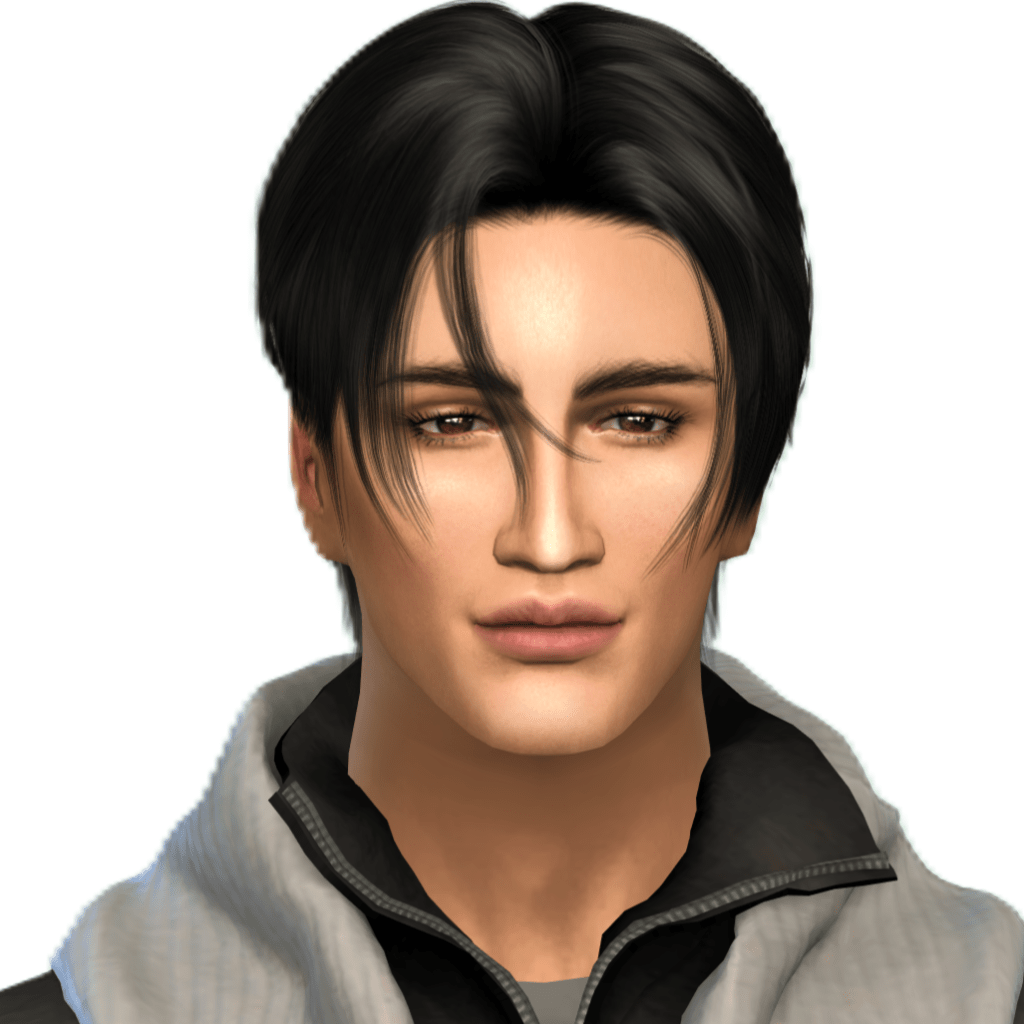
Rory didn’t miss a beat. “Why not, since she came with some?”
Lorenzo stepped closer — calm, controlled, but unmistakably dangerous in the way only a future king could be. “Listen, bigmouth. Everett Kensington nearly killed you both losing control of his horse like a novice. I will have a talk with him about his incapability next. But unlike you, he isn’t sneaking around my sister. Capisci, campagnolo?” (campagnolo = “country boy,” mildly insulting, aristocratically dismissive)
“I’d rather be a campagnolo than a chiacchierone coronato.” Rory shot back.
(chiacchierone coronato = “crowned chatterbox,” mocking Lorenzo’s future‑king status)
“Besides, Rett didn’t do anything wrong. His horse slipped and then went through. Normal horse behavior, he did it right, letting it react, then calming it slowly,” Rory said evenly.
Ezio’s eyes narrowed. “What is this now? Are you trying to sound like the Einstein of equestrian behavior and horsemanship while creeping your way into a royal lineage?”
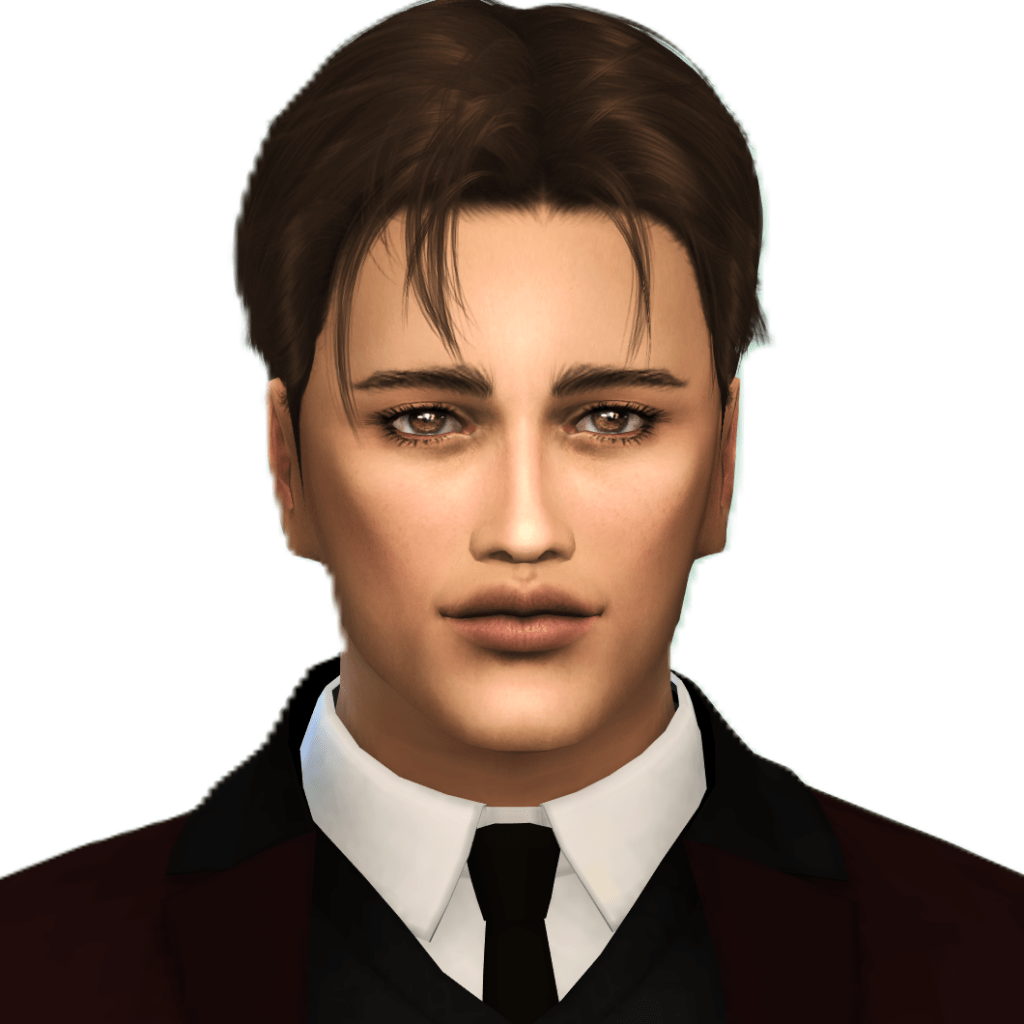
“Rory’s not like that,” Giuliana said, stepping forward again.
Luca ignored her. His gaze stayed fixed on Rory. “I see you do not take polite hints, so I will be clearer: You are not fit to be near her. Capisci? Not socially. Not politically. Not in any way that matters. Know your place, wanna-be-baron.”
Rory’s voice stayed level. “I didn’t ask to be near her.”
“No,” Lorenzo said, “but she ended up on your horse regardless. And that is already a problem. You had your moment in the sun — now stay away from her. You are not using our sister to clean up your bastard lineage with that pitiful made-up title. His Majesty Emeritus is our grandfather as well, oh wait, perdone mi, he is our grandfather but not yours. Your grandfather is a cowboy, isn’t that right, Rory JACK? Of course you wouldn’t understand the first thing about royal lineage for you have NONE.”
Rory vibrated for anger but kept his composure.
Giuliana bristled. “I chose to ride with him.”
“And that,” Raffaele said sharply, “is exactly why we are speaking to him. E parleremo con te dopo, sorella!”
Ezio leaned in, voice low. “You will keep your distance. No private conversations. No moments alone with Giulia. She is young, naive and impressionable. No opportunities for either of you to get… silly ideas.”
Rory’s eyes narrowed. “I don’t have ideas with your sister, silly or otherwise.”
“Va bene,” Lorenzo said. “Keep it that way.”
Giuliana stepped between them, furious now. “You’re treating him like he’s bad.”
Luca’s reply was cold. “No. We’re treating him like he’s not one of us. He isn’t, and never will be. And he is not going to sanitize his family tree by sneaking into ours. You know Lorenzo and I have to approve of any future companions — and he is never going to happen for you. He is below you, so quit wasting everyone’s time and start connecting with young men of the right creed. Basta così, smettila con queste sciocchezze.”
The words hung in the air — heavy, aristocratic, cruel in the way nobles raised on lineage and protocol could be.
Rory didn’t flinch. He simply nodded once, stiffly, and walked away.
Giuliana watched him go, her expression tight with anger and something else — something her brothers refused to acknowledge.
The drama of the hunt had ended. But the consequences were only beginning.
More Mingling
That evening, duty called — or at least, that was how Rory Hawthorne framed it in his mind. Mixer nights were not parties; they were obligations, performances, examinations. And tonight’s assembly promised to be worse than usual. His cousins, Crown Princess Josephine of Windenburg and her younger brother Prince James, had invaded his room without knocking, most likely dispatched by their grandfather, King Emeritus Maximilian Cromwell, who had taken to chaperoning the next generation with the enthusiasm of a retired general overseeing cadets.
The room smelled faintly of bergamot from Josephine’s perfume and saddle soap from Rory’s riding boots drying near the radiator. Outside, the palace orchestra was warming up — strings tuning, a soft ripple of harp arpeggios drifting through the corridor like a reminder that decorum waited downstairs.
Josephine stood behind him, arms crossed, studying his reflection in the mirror. “Aren’t you even going to try and cover up the bruise?”
Rory met her eyes in the glass. The bruise was already blooming — a deep violet shadow along his cheekbone, stark against his warm complexion.
“Why?” he asked. “Everyone already knows it happened.”
“That doesn’t mean you need to wear your battle scars proudly,” Josephine said, smoothing her gown with a practiced sweep. “You are still a member of the Henfordian aristocracy. Noblesse oblige, RJ.”
“Rory,” he corrected. “I prefer Rory. And why not show it? Because we’re all here shopping for girlfriends and boyfriends to test out for future matches? Because at fifteen, sixteen, seventeen, who doesn’t think about that?”
Josephine’s expression sharpened. “If you don’t, you should. We are not commoners, Rory. Act accordingly.”
He turned fully, irritation rising. “Why? You and Jamie are more than enough royal lapdogs for the three of us. Oh, and whom have you connected with then, Josie? Since I’m apparently behind on my connecting. What about you, Jamie?”
Josephine turned away, posture impeccable — chin lifted, shoulders back, every inch the future queen she intended to be. “Don’t you worry about what I do, RJ. I am proud to be a Henfordian, a Cromwell, and I will be the first queen Henfordshire has seen in millennia. Believe me, I will make that memorable and perfect. Meet us downstairs. I am bored with your self‑suffering and self‑pity. Grow up, cousin.”
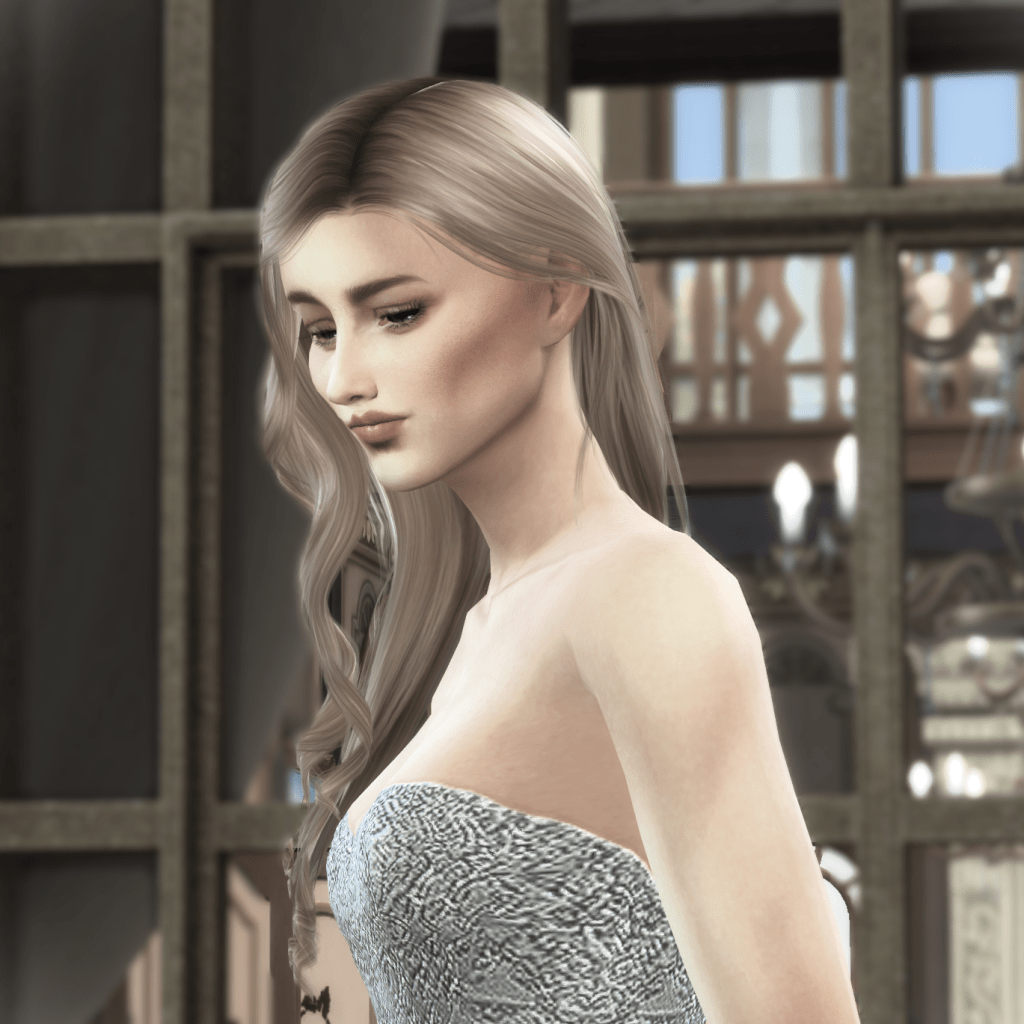
She swept out, James trailing behind her. The door remained open, so Rory slammed it shut, calling after them:
“It’s RORY!”
The agenda lay on his desk — embossed parchment, smelling faintly of ink and cedar. He flipped it open and groaned. The list of attendees had doubled. More heirs. More houses. More strangers. More decorum.
“Fantastic,” he muttered. “More people to disappoint.”
Down the corridor, Josephine and James were already deep in conversation.
“He wasn’t wrong,” James admitted quietly. “I haven’t met anyone I like more than as someone to talk to for a little while. If this is my entire dating pool, I get cranky too.”
Josephine sighed, adjusting the fall of her silk sleeves. “Jamie, this isn’t our entire dating pool. This is a start. We’re going to university soon — many royals meet their matches there. Values align, interests align. The rest is luck and fate. Just have fun. One day we’ll sit in stuffy rooms with these same people negotiating trade deals and peace treaties. Might as well learn their weaknesses early.”
James blinked. “Wow, Josie. You sound scary.”
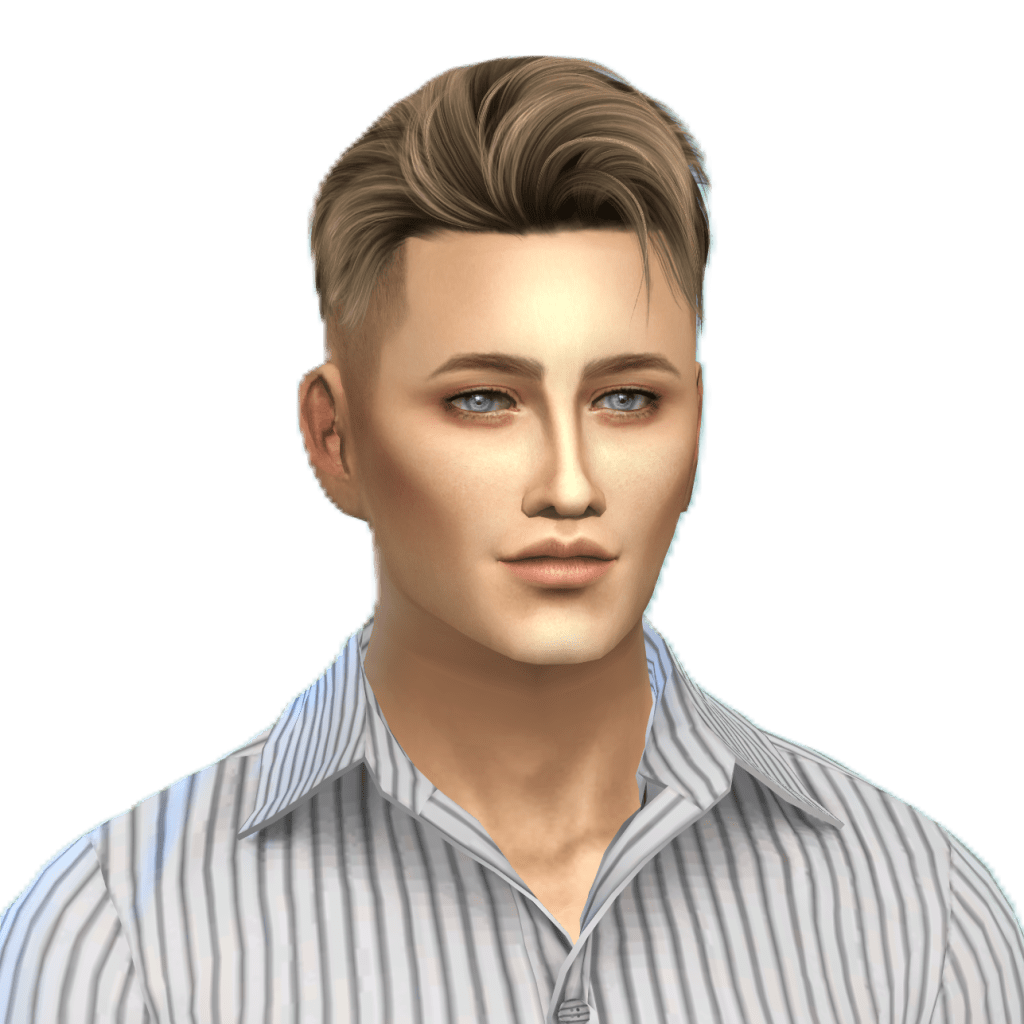
“Good,” she said simply. “I don’t know what kind of queen I’ll be, but it won’t be a weak or demure one.”
“Noted.”
Outside the ballroom, Amelia‑Grace DeWinter lounged on a chaise, giggling at her phone until her brother snatched it from her. She lunged, they wrestled, and when she reclaimed it, Max’s grin said everything.
“You know Papa told you not to flirt with that guy.”
“I am not flirting! And keep your voice down!”
“You’re supposed to pick someone here. Not sneak around with a poor fisherman or whatever he does.”
“I am NOT sneaking, and I have picked.”
“Ah yeah? Who?”
“None of your business, that’s who! Mind your own problems, Max!”
A deeper voice cut through the air — warm, authoritative, unmistakably royal.
“Harsh words for my dashing namesake.”
They froze. Max bowed; Amy curtsied. King Emeritus Maximilian Cromwell approached, smelling faintly of sandalwood and old books — the scent of a monarch who had spent decades in libraries and council chambers.
“Everything alright?” he asked mildly.
“Fantastic, Grandfather,” Amy said with a disarming smile.
“You remind me so much of your mother,” he said fondly. “My sweet darling daughter Victoria. Where is she?”
“Traveling with Papa. They’re sad to have missed you.”
“They’re sadder to have missed watching us simmer in this…” Max muttered.
The elder Maximilian fought a smile. “Now, now, surely it’s not so bad.”
“Then why don’t you go mingle and find someone interesting to talk to? Good luck — you’ll need it. Speaking to the walls is more riveting than some of the topics I had to sit through with ladies who look like they spend their days scaring off vermin in a field. And the prettier ones are worse — they talk like they’re auditioning for sainthood, dull as can be. The ugliest ones are at least interesting, but I’m not breeding for character. I do not want ugly children!”
He paused, realizing what he’d just said, color draining from his face. “Apologies. That came out wrong, Grandfather. I meant… uh…”
“Yes, yes, I am quite clear about the meaning of your regretful outburst. Please remember, Max, beauty is in the eye of the beholder..” King Maximilian bit back a smirk.
“Really, Grandfather,” Amy said, “most of the interesting people here are related to us. Nobody wants to date a cousin, not nowadays. Most of the others are either taken or … well…not worth discussing.”
“Hopefully some of the new ones are more to your liking. I couldn’t help noticing quite the uptick of attendants for the ball. Suppose more of your peers enjoy dancing over hunting,” the elder Max said, pulling out the roster.
The parchment crackled softly — a sound that always meant trouble.
The list had doubled.
“Who even are some of these people?” Max asked. “We get all these names of other Houses hammered into us by tutors, but I swear I’ve never heard of half of them.”
Amy leaned in. “I wouldn’t even know how to pronounce some of those. Callum O’Dun… what?”
“Oh‑DUN‑luh,” the elder Max corrected. “And that is for Caitriona. Callum would be a … a here … McKenzie. Innisgreen nobility. Former royalty centuries ago, but they had so many different clans and tribes, and even more kings and queens, so their titles were adjusted a little when the territory was absorbed by Henfordshire. The O’Dunlaiths and McKenzie are the last remaining royals and high nobles.”
“Not even considering a boy whose name I can’t pronounce,” Amy declared. “Pass. All yours, Maxi.”
Max scanned further. “I do not want a… a… Catri‑oh‑nah? Or here this one — Skjo.. oe… oh good grief!”
“Skjöldeborg? Oh my goodness, absolutely not!” Amy snorted. “Imagine: Amelia‑Grace Skjöldeborg, Duchess of Zeehaven and whatever frozen place he comes from. Absolutely not.”
“Nordhaven then,” Max said. “Sounds Viking. We need to ask Aunt Veronica about them.”
“Ask her all you like, but I will not date a Viking!” Amy declared. “Look — he has a Viking sister too. You’re in luck, Maxi. Hope you like your future girlfriend wrapped in furs she clubbed off a seal herself.”
The elder Maximilian sighed. “I will speak to your parents about additional language, royal history, geography, and etiquette lessons. And the fact that you would keep your name, Amy — unless you marry up and leave the duchy. Zeehaven follows a territorial succession rule: the heir must remain within the duchy and under Windenburg’s jurisdiction. If you marry into a foreign sovereign house and relocate, the title passes to your brother, Amelia‑Grace. Royal and high noble heritage, including last names, always takes precedence over other marital customs. Now — go forth and mingle, my dear descendants.”
He walked off, chuckling.
Max groaned. “Why is this so hard? Why can’t we just go to regular schools and meet someone there, like in the movies? The girls here all look and sound the same to me.”
“They look and sound exactly like us, because they are all brainwashed the same as us, Maxi. Because nobody is like the movies,” Amy said. “People wouldn’t like us for us. They’d want the titles and estates. That’s why we date people who already have those. And we both know, there are always exceptions. Grandpa married a commoner. And Mom and Dad were both born noble and royal and still love each other. Same with Uncle William and Aunt Mina. Or Aunt Veronica and Uncle Eli. It does work … sometimes. And sometime a commoner works out. Everything is possible. Come on.”
The ballroom doors opened, releasing a wave of warm light, perfume, and chamber music. Crystal chandeliers glittered overhead. The air smelled of jasmine, polished marble, and the faint sweetness of champagne. Laughter rippled through the crowd — highborn, restrained, but unmistakably teenage.
Rory arrived last, bruised cheek and all.
He already wanted to go home.
The Dance
The ballroom had transformed by the time Rory arrived — a cathedral of light and sound. Crystal chandeliers spilled warm gold across the marble floors, and the air shimmered with perfume: jasmine, bergamot, rosewater, and the faint sweetness of champagne. The orchestra had shifted from chamber arrangements to a more formal waltz, violins rising like silk ribbons through the air.
Couples had already begun to form — some tentative, some bold, some clearly orchestrated by parents watching from the mezzanine.
The room hummed with whispers — alliances forming, rivalries simmering, parents evaluating posture, eye contact, and potential futures.
Rory stood near the wall, hands in pockets, watching the dancers with the expression of someone who would rather be mucking stalls. The bruise on his cheek had darkened, drawing curious glances from nobles who had only heard rumors of the garden scuffle.
He was about to retreat toward the refreshment table when a girl approached — elegant, with blonde hair pulled into an elegant ponytail and eyes the color of winter sky.
She curtsied lightly, the movement flawless.
“Excuse me,” she said, voice soft but steady. “Would you do me a kindness?”
Rory blinked. “Uh… depends on the kindness.”
She leaned in slightly, lowering her voice. “Please ask me to dance. Immediately. Before those two Tartosian barnacles latch onto me again.”
Rory followed her glance — Ezio and Luca Auditore were already scanning the room, clearly searching for her.
He grinned. “Oh, those barnacles. Of course, happy to help.”
She exhaled in relief. “Thank you.”
Rory offered his hand — awkward but earnest. “May I have this dance?”
She placed her hand in his with aristocratic precision. “You may.”
As they stepped onto the floor, whispers rippled outward.
The orchestra shifted into a slower waltz — strings swelling, harp shimmering like starlight. Rory placed his hand carefully at her waist, and she guided his other hand into position with gentle correction.
“You’re not much of a dancer,” she murmured.
“Ouch. What have I done to you to deserve such a brutal critique?”
“Brutal? Try honest. You have barely missed one chance to step on my feet. Hardly Fred Astaire material. Would you prefer me to lie?”
“No,” Rory admitted. “You’re right, dancing is not my forte. But I’m good at not being Ezio or Luca.”
“That is a blessing. What happened to your cheek?”
“Run in with the barnacles and their cousins yesterday.”
“Oh boy. My family and I just returned from Mt. Komorebi, this is my first day at the mixer, I had to miss the riveting season opening day and the faux fox hunt. How will I survive?”
“Since today is the last day, I do think you really missed out on the best parts.”
“Oh, I don’t know about that.” she smiled at him in a way that made him nervous.
They moved into the first turn — Rory slightly stiff, she effortlessly graceful. She smelled faintly of lilac and old‑world cologne, the kind worn by Windenburgian noble houses with centuries of tradition.
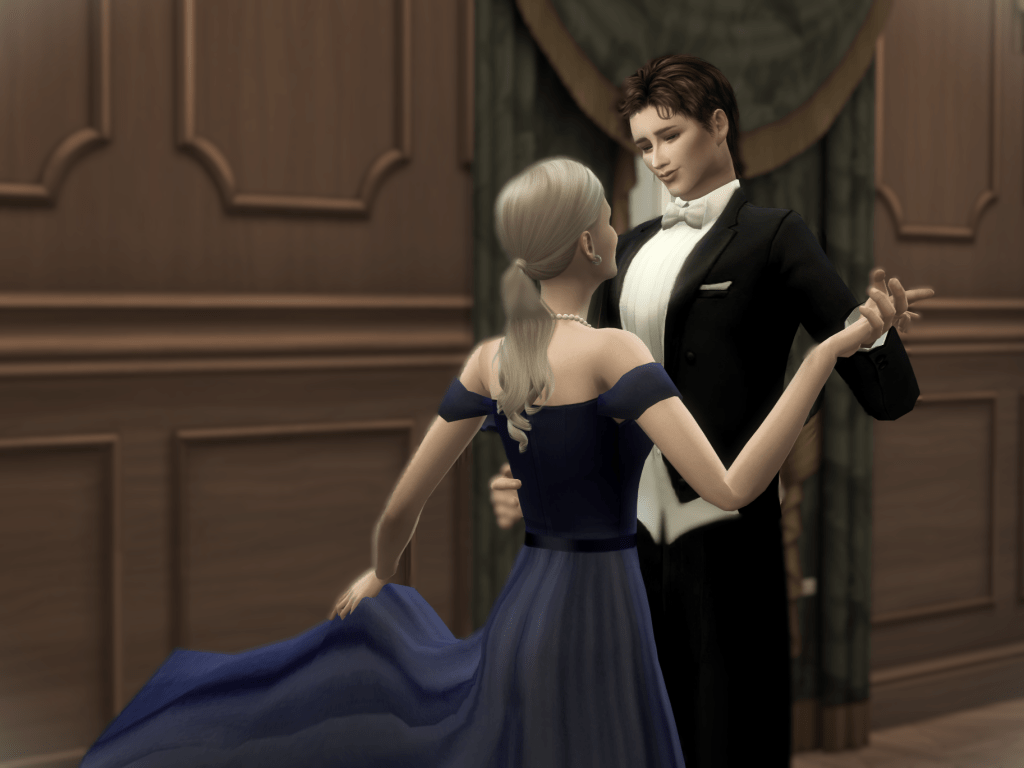
“So, who are you?” she said. “Aside from a gallant savior in my time of need.”
“Who I am? Do you habitually ask strangers to dance?” Rory snickered, enjoying the game.
“I didn’t ask you to dance — I asked you to ask me to dance. And I may know your name now, but you’re hardly a frightening stranger, not here, not tonight. We’ve all been vetted, we all know the Houses and titles present, even if we can’t match every face to every crest. Most of us were still considered children last season. So just answer me.”
He mentally rolled his eyes. “Rory Jack Hawthorne of Henfordshire. Yes, yes — the illustrious heir of outcasts and disappointments, now dressed up with a shiny new title and absolutely no noble blood to back it. And you?”
“Wow. That’s an unusual introduction. I’m Annalena — very much legitimate, but our title is only three generations old and still too new to be taken seriously by half the crowd here.”
He winced. “Nice to meet you, Anna.”
“Annalena. Sorry, but I’m particular about it.”
“Same. Growing up everyone called me RJ, but I prefer Rory.”
“What else do you prefer or dislike, Rory?”
He mentally rolled his eyes. “Let’s see. Obviously, I am far too mysterious and interesting to be summed up in one dance, and frankly best experienced rather than explained. But we can say I like books, horses, nature, and my peace. I dislike crowds, performative nonsense, and… well, everything else.”
She brightened, mischief flickering in her eyes as they turned through the next step. “You forgot to mention humble.”
“Fair point. I am very humble.”
“Right, I could tell in between your personal appraisal — practically a modesty monologue.” Her tone was light, teasing, perfectly timed with the turn.
“I aim to please.”
“So, horses, hm? I like horses. My family has a Herrenhaus downtown — a town manor — no room for stables, but I ride whenever friends with actual acreage and horses invite me.”
They glided past another pair. “I enjoy a good book as well. And today I discovered I don’t like Tartosian nobles who think they own the dance floor — or the people on it. And I really don’t like dancers who rank their partners before they even take a step, nor young men who try to prepare a plate for me at the buffet. Made me physically ill. Had you not danced with me when you did, I might have created a terrible scene.”
“How scandalous. I thought creating scandals was my task.” Rory chuckled.
She smiled up at him, the expression soft but edged with humor. “I like you. You seem genuine and not so immensely full of yourself. And you seem to have a sense of humor. Rare breed here — practically a noble unicorn.”
“A Windenburgian who enjoys a sense of humor? What about all the clichés about you never laughing or smiling.”
“Those were all written by arrogant Tartosians who won’t leave us alone.”
“I see,” Rory chuckled. “Well, I am not very full of myself, that’s true. I think it’s because I am not truly all that noble, per my aforementioned statement, so my personal grandeur level should be about average for my gender and age. Horses keep you honest. And realistic. No matter how amazing you might think you are, they will remind you that you are but human — as one of my favorite authors says, ‘A horse never flatters; it simply reveals.’”
“Do you own horses, Rory?”
“I do. I enter in competitions, and we assist the Cromwells with breeding and training.”
Her brows lifted slightly — the only gesture the dance allowed. “Oh, Cromwellers, no less? You simply must invite me for a visit then, Rory Hawthorne. Maybe for some proper riding lessons.”
“I just might. I haven’t been laughed at by a Windenburg noble, such as your father, when I extend my invitation.”
She let out a quiet laugh. “Papa is harmless. So is Mama. They know me. You just send the invitation and I will bring my book.”
Rory laughed under his breath. “Thanks. I am sorry, but I do not recognize you. I don’t think we have ever met before.”
“Probably not,” she replied dryly.
They passed Johanna and Lorenzo, who both paused mid‑step to stare. Johanna’s brows rose in surprise; Lorenzo’s narrowed in irritation. It was almost clear that they had picked each other. Strategic match. The Crown Prince of Tartosa and the Princess Royale of Windenburg. A fully vetted and approved match which may well end up becoming an engagement at some point.
Annalena smirked. “Look at them staring.”
Rory felt heat rise in his cheeks — not from embarrassment, but from the surreal realization that someone had willingly chosen him over the Tartosian princes and nobles.
As they turned again, Annalena leaned in. “My brother Thomas says you punched the crown prince of Tartosa yesterday. Oh, I so wish I had been here for it.”
Rory swallowed. “I… did. You still haven’t told me who you really are.”
“Good, he deserved it,” she said simply. “And yes, I did. I’m Annalena. And my brother is Thomas as I just told you.” she pointed to some people standing along the sides, talking, and Rory couldn’t have picked out said Thomas to save his life.
“There are about half a dozen Thomases here, plus countless Jameses, Georges, and Williams, plus a wide selection of Marias, Sophias, Graces, and Roses…”
“But only one Annalena.” she smiled disarmingly.
“I can’t argue with that. So, Annalena? Is that one name or two?”
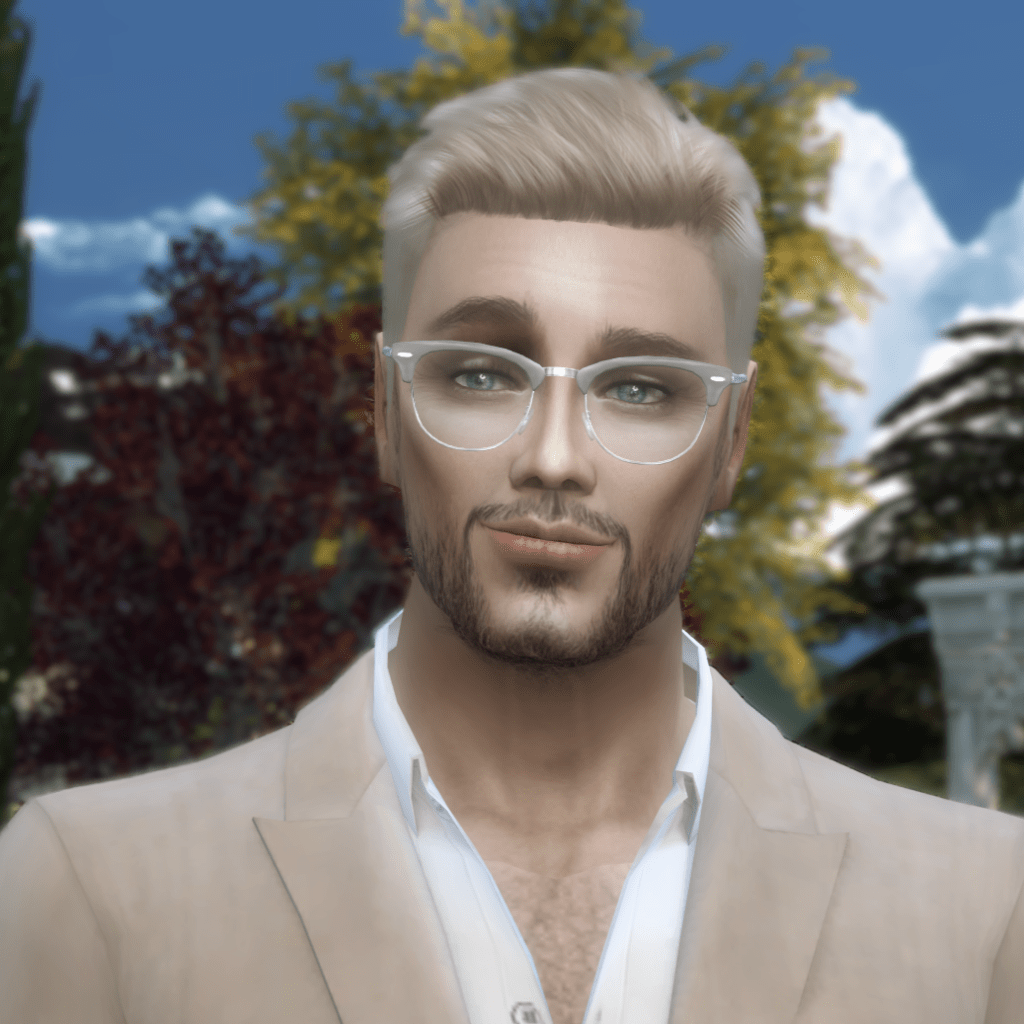
“One. Lady Annalena von Hohenstein to Windenburg, at your service.”
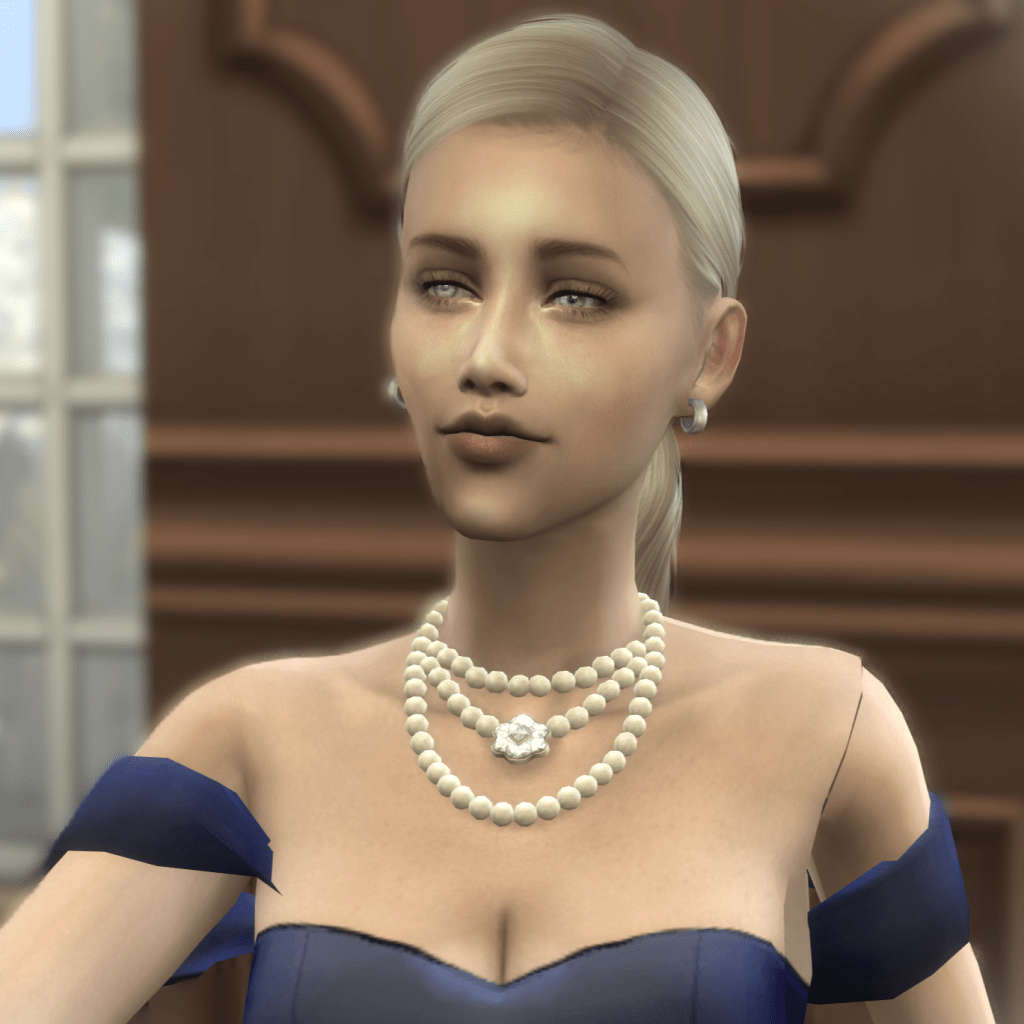
Rory nearly tripped. She was the niece of the Queen Consort of Windenburg.
Annalena steadied him with a practiced hand. “Relax. I told you — my title is three generations old and still barely acknowledged here. You should ask our dear host about it. King Alexander was still the Crown Prince when he met my aunt, and he had the hardest time convincing his parents she was the woman he wished to court. Among all the princesses and duchesses thrown at him, he chose the one with the lowest and newest title. A scandal. Everyone assumed Aunt Helena only wanted the title and the palace and whatever else, and that they’d never last. Yet here they are, four children later, still annoyingly happy.
Has society learned anything from judging a book by its cover — or title — pun fully intended? No, they have not. If I weren’t the queen’s niece, nobody would give me the time of day. And if it weren’t my own family hosting this mixer, I would have found some excuse to skip the whole thing — not just the first days — only to find out now that those were the best part.”
“Well, until earlier today I would have agreed, but it seems to have gotten a lot more interesting since the ball,” Rory heard himself say, blushing at his own attempt to flirt. Since when did he flirt with noble ladies?
Annalena smiled. “True. Maybe I just saved the best for last. My timing is impeccable.”
“Not to mention your penchant for humility, almost matching mine.”
“Nobody is as humble as you, dear Baron.”
“I’m second‑gen for the barony,” Rory managed. “Title’s with my father. I barely exist to those around us. Just a Lord something of something rather.”
“Same. I am just Lady who of what and where to anyone here I’m not also related to. You may not have a title at all, Lord Hawthorne. But…” She reached out and plucked something from his hair. “You have hay in your hair. Fashion statement or neglect in grooming?”
“Incidental. I never attend any balls without a good roll in the hay first.” Rory grinned.
“Oh? Alone or with company?”
“I don’t know you well enough to divulge all my secrets, Annalena.”
“I see. It’s always the silent waters.”
“How do you know that I’m silent?”
“You said you read a lot and ride. Usually implies a quieter personality — unless you read out loud and gallop around screaming.”
Rory couldn’t help but laugh at the deadpan.
The waltz ended with a soft flourish of violins. Annalena curtsied; Rory bowed. The room watched — some amused, some scandalized, some intrigued.
Annalena stepped closer, lowering her voice. “If those two Tartosian pests come near me again, will you rescue me again?”
Rory grinned. “Of course, with pleasure.”
She smiled — a small, conspiratorial thing — then drifted back into the crowd, leaving Rory standing alone on the polished marble floor, wondering how on earth he had just danced with a von Hohenstein and actually enjoyed it.
And why it felt… nice.
The orchestra shifted into a gentler waltz — strings softening, harp shimmering like frost over candlelight. The ballroom smelled of jasmine, polished marble, and the faint citrus of the Windenburgian champagne being poured at the edges of the room. Laughter rippled through the air, highborn and restrained, but unmistakably teenage.
Gingers Wars
Viscount Everett Kensington stood near one of the tall arched windows, hands clasped behind his back, watching the dancers with quiet interest. He wasn’t nervous — just thoughtful, the way he always was. His posture was impeccable, his suit immaculate, but he carried none of the Tartosian swagger or Windenburgian formality. He simply… observed.
One of the ladies hovered near the refreshment table, fingers lightly touching the stem of her glass. Her gown — soft sage silk embroidered with silver knotwork — caught the light each time she shifted her weight, contrasting with her auburn hair. She looked like a girl raised in a rustic castle, delicate but not fragile.
She noticed Everett watching the dancers. He noticed her noticing him.
Their eyes met — briefly, politely — he nodded at her and she dipped her chin in a shy acknowledgment.
Everett approached with the quiet confidence of someone who had been raised to respect decorum but not weaponize it.
“Mylady,” he said softly, bowing.
She curtsied, cheeks warming. “Mylord.”
He hesitated only a moment. “Would you… care to dance?”
Her breath caught — not dramatically, just a small, surprised intake of air. “Aye… I would,” she said, voice barely above a whisper.
Everett offered his hand. She placed hers in it, light as a feather.
They stepped onto the floor.
The whispers began immediately.
But Everett and his mysterious partner didn’t seem to hear any of it.
He guided her into the first turn — gentle, steady, careful not to overwhelm her. She followed effortlessly, her movements soft and fluid, like she had been trained in old Innisgreen courts where dances were more about grace than spectacle.
“You dance very well,” Everett murmured.
Her lips curved into the smallest smile. “My auld aunt insisted. She said a young lass must ken how tae glide, no’ stumble.”
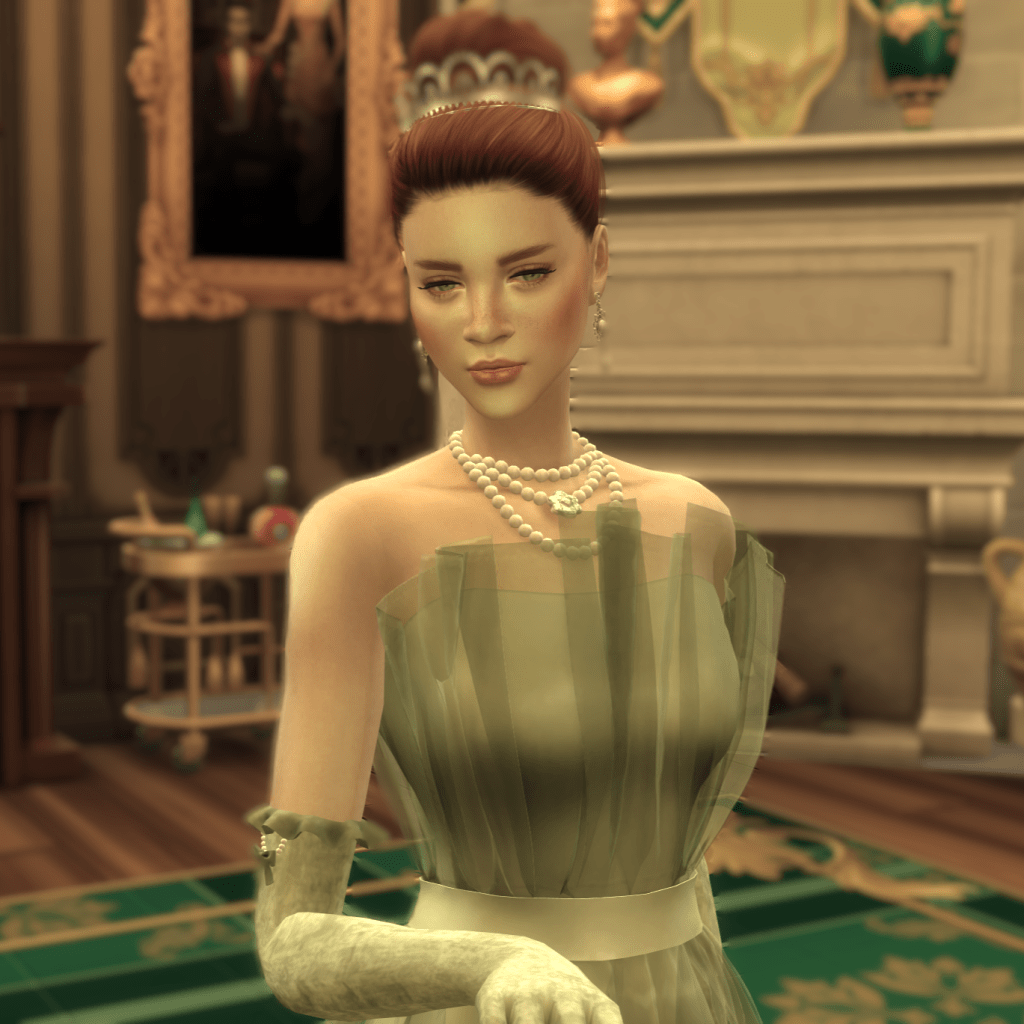
“You definitely glide,” Everett said simply. “And you are from Innisgreen.”
She gave him a look that basically said “what a genius you are’ in fluent sarcasm. Accent-free.
They passed Josephine and Thomas Harrowby, who both had to take a doubletake. Josephine’s brows rose — calculating, approving. Thomas remained unreadable. He was the oldest attendee of the young crowd, had turned twenty of late.
She noticed and looked down.
Everett gently lifted her chin with the slightest pressure of his hand. “Ignore them,” he said softly. “They’re not dancing with you. I am.”
The waltz carried them through the room, past marble columns and flickering sconces, past nobles whispering behind fans, past parents evaluating posture and potential futures. But Everett and his partner moved in their own quiet orbit — two gentle souls finding a moment of calm in a ballroom full of noise.
When the music ended, Everett bowed. She curtsied.
She lingered.
“Thank ye,” she said softly. “I… thoroughly enjoyed that.”
Everett smiled — small, sincere. “So did I. Immensely. May I know whom I had the pleasure of dancing with?”
She gave him a look — that quiet, assessing one she used when deciding whether someone deserved her time. Not unkind. Just… sovereign.
“You may,” she said, “but not from me.”
A faint tilt of her head, almost teasing.
“If ye didn’t bother doin’ yer homework before attendin’, like most of us have, then I suggest a wee midnight lecture after the ball to find out who I am, Lord Kensington. Shouldn’t be too difficult, seein’ how Innisgreen’s delegation has historically been rather small.”
Her eyes flicked over his face — the identical features he shared with his brother.
“See, I knew ye had a twin, and since yer identical I couldn’t know which one ye were. But I ken now.”
She stepped back, already turning away, already reclaiming her orbit.
“Enjoy your evening, Everett.”
Everett watched her go, hands returning to their quiet clasp behind his back.
He didn’t chase her. But he hoped she’d look for him again.
He barely had time to inhale before two figures approached — tall, broad‑shouldered, unmistakably McKenzie. Fergus’s red hair caught the chandelier light like embers, while Callum’s raven‑black hair gleamed like polished obsidian.
Duke Callum McKenzie, Earl of Innisvale Cousin to Princess‑Heir Catríona O’Dunlaith of Innisgreen
Lord Fergus McKenzie, Baron Strathdunn. Younger brother of Duke Callum. Also cousin to Princess‑Heir Catríona
“Lord Kensington,” Callum said, voice smooth but edged. “A wee word, if ye dinnae mind.”
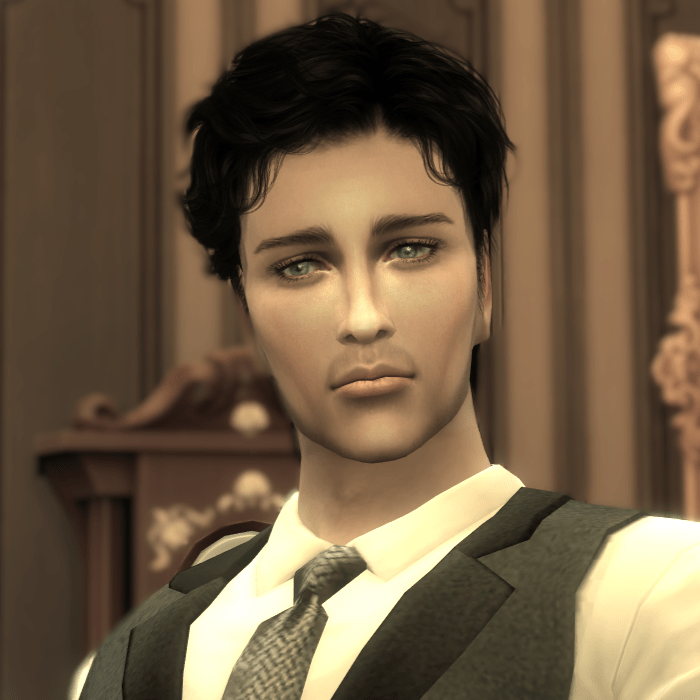
Everett bowed lightly. “Your Highness.”
Fergus snorted. “Aye, bowin’s nice. But we’re no lookin’ for manners. We’re lookin’ for intentions.”
“Come again?”
Callum’s eyes sharpened. “We saw ye with our cousin. Our sovereign.”
Instantly it dawned on Everett who his dancing partner had been. The Crown Princess Caitríona O’Dunlaith of Innisgreen. Heir apparent. Oh boy.
Everett straightened. “My intentions were to offer your cousin a dance. Nothing more.”
Callum’s eyes narrowed. “Caitríona doesnae dance wi’ strangers.”
“She accepted,” Everett said gently.
Fergus stepped closer. “Aye, and that’s the part we’re wonderin’ about.”
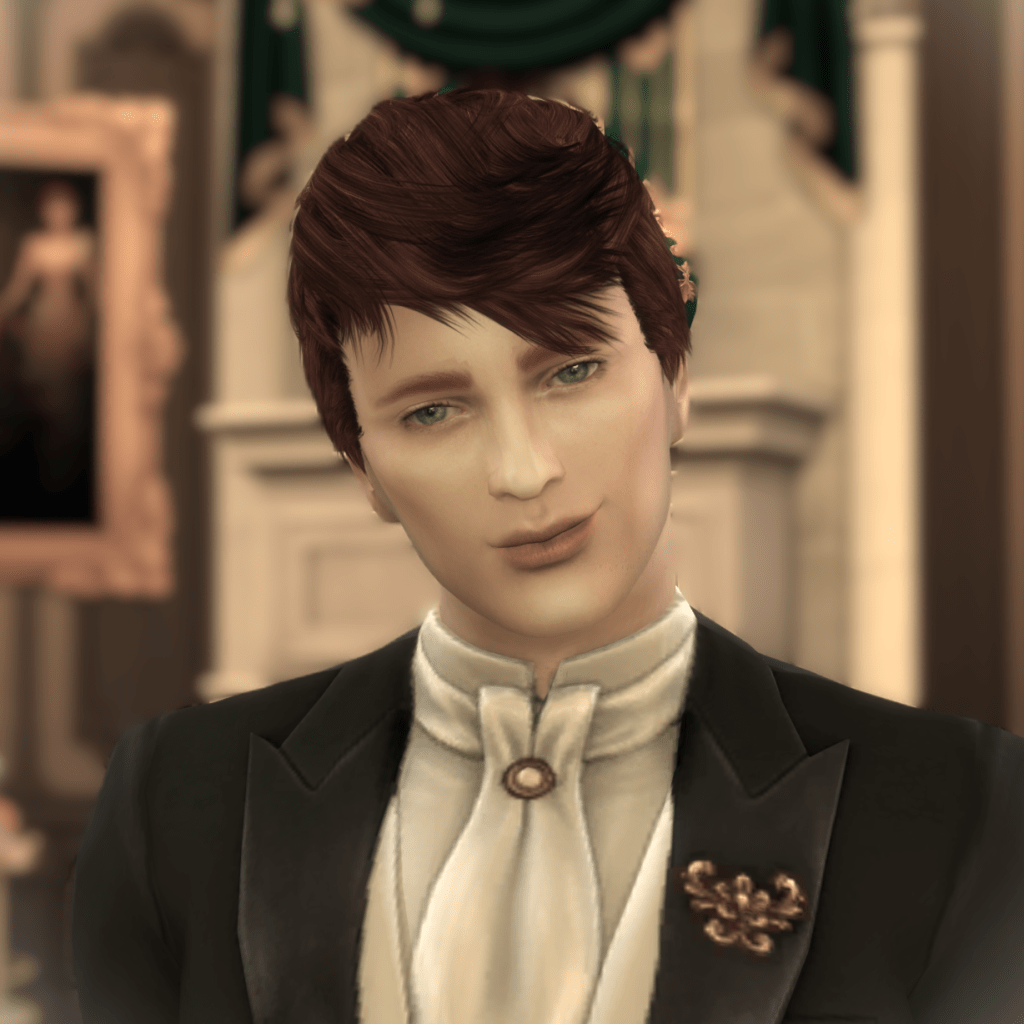
Everett inhaled. “Your cousin is kind. And graceful. I simply wished to be courteous.”
Callum’s lips twitched — not quite a smile. “Courteous is fine. Courteous is good. But ye’re Kensington. Henfordshire born. English.”
Fergus added, “And we’re no exactly famous for bein’ fond o’ English lads sniffin’ round our kin.”
A new voice cut through the tension.
“Everett!”
Edward Kensington — older by minutes, quiet by nature, but protective when needed — hurried over. Identical red hair, identical face, but calmer eyes.
He stepped beside Everett. “Is there a problem here?” Edward asked, voice low but firm.
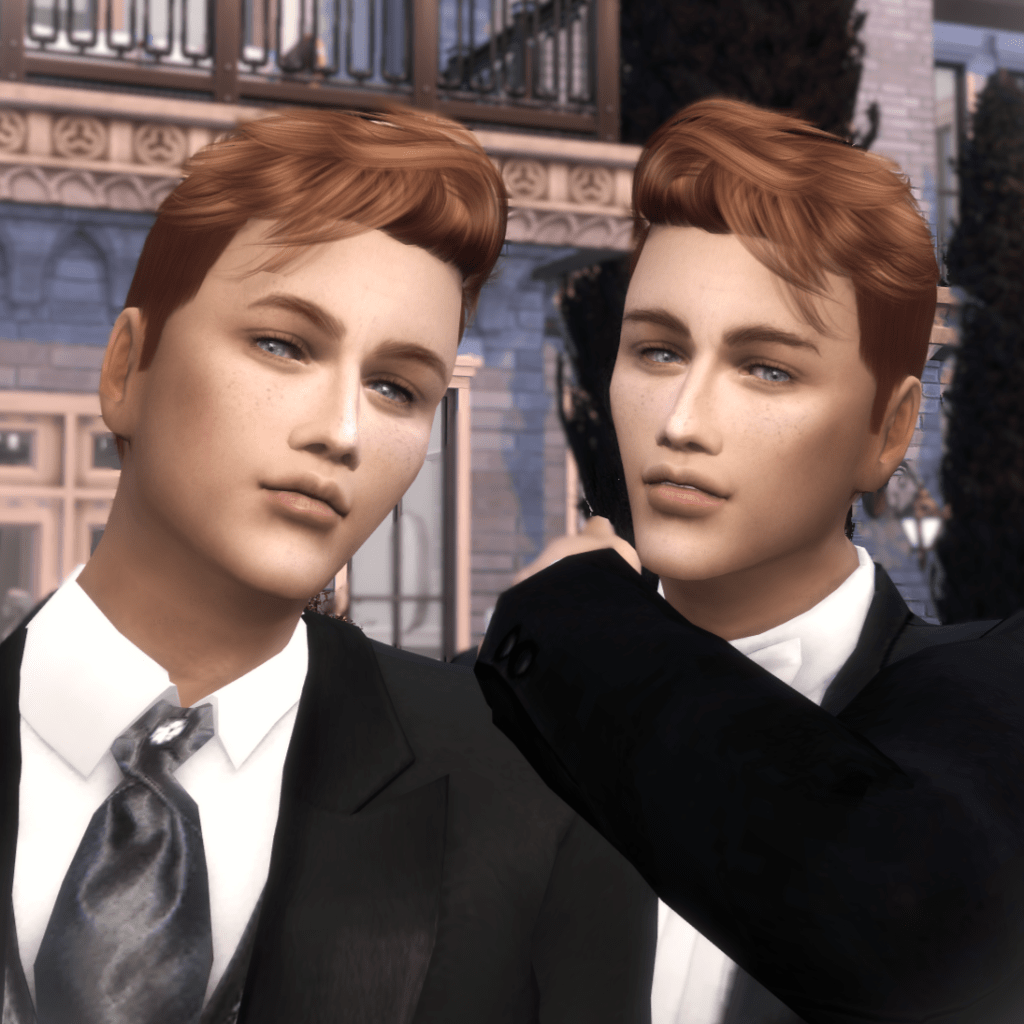
Fergus scoffed, folding his arms. “Another ginger Englishman. Grand.” His tone dripped with unimpressed Highland disdain.
Callum chuckled, tipping his head toward Edward and Everett. “Aye, either they’re twins… or just one and we had more tae drink than we remember.” His voice carried that smooth, educated Highland lilt — refined, but unmistakably Innisgreen.
Fergus snorted, leaning in with a crooked grin. “Naw, it’s two, right enough. One looks dafter than the other.” He said it lightly, like teasing was simply his native language.
Callum glanced between the twins, brow raised. “Which looks dafter? I cannae tell. Both look like fools ta me.” His tone was playful, but edged — the kind of aristocratic Highland teasing meant to test someone’s backbone.
Edward’s jaw tightened. “Watch your tone,” he warned, voice clipped, posture straightening.
Callum raised a brow. “Or what? Ye’ll lecture us into submission? Ye’re Kensingtons — no difference between yer men and yer manners. All prim, all prissy. Ye dinnae lecture McKenzies.”
Edward’s voice stayed level. “If you’re trying to intimidate my brother—”
Fergus stepped forward. “If yer brother’s tryin’ to charm our cousin—”
Everett’s temper snapped. “I wasn’t charming anyone! I was dancing with her, seeing how this is a dance, that shouldn’t be such a shock to anyone.”
Callum’s voice dropped. “Then ye won’t mind takin’ this outside.”
Edward’s eyes flashed. “Gladly.”
And that was how four boys — two redheads, one raven‑haired prince of the blood, one fiery Highland cousin — ended up marching out the side doors into the lantern‑lit terrace.
The Fight
The night air was cool, sharp with the scent of clipped hedges and distant horse stables. Marble steps gleamed under the moonlight.
Callum rolled up his sleeves. Edward rolled up his. Everett cracked his knuckles. Fergus smirked.
“Aye,” Fergus said. “Let’s settle this like men.”
“Sure thing, let’s go Braveheart!” Everett shoved him first — not hard, but enough to spark it.
Fergus shoved back harder.
Edward stepped between them, but Callum grabbed his shoulder. “If ye’re steppin’ in, ye’re part o’ it.”
Edward swung — controlled, precise — catching Callum’s jaw.
Callum staggered, then lunged, tackling Edward into the hedge.
Everett and Fergus collided next — fists, forearms, shoulders, teenage fury, no real technique, just instinct and adrenaline.
It wasn’t a brawl. It wasn’t a beating. It was a royal teenage fight, fueled by pride, culture, and a princess.
And that princess arrived like a storm.
“STOP!”
Her voice cracked through the terrace like lightning.
All four boys froze.
Princess Caitríona strode forward — auburn hair blazing under the lanterns, sage gown swaying like battle colors, eyes bright with fury.
She grabbed Fergus by the collar. “Are ye daft?!”
Fergus blinked. “Cat—”
“Do NOT ‘Cat’ me! Ye’re fightin’ in a foreign court! Have ye lost yer mind!?”
She shoved him backward.
Then she turned on Callum. “And YOU! Ye’re a prince o’ the blood, no’ some tavern brute! Rollin’ up yer sleeves like a common brawler — ye’ve brought shame on our family name! Both sides too!”
And that was when the guards arrived.
King Alexander von Ahrensberg stepped onto the terrace, flanked by two palace guards. His expression was carved from ice.
King Emeritus Maximilian Cromwell arrived looking equally unimpressed.
“Meine Herren, Princess,” Alexander said sharply. “Explain yourselves.”
No one spoke.
Maximilian sighed. “I swear, I cannot leave any of you unsupervised for more than ten minutes. Chaperone them, Maximilian, I was told, it is a fun and easy way to connect with the younger generation. This is decidedly NOT fun. Nor relaxing.”
Alexander pointed at the guards. “I could not agree more. Separate them. Und dann bitte in mein Studierzimmer, wie gehabt.”
The guards gently but firmly pulled the boys apart.
Caitríona stood between them, arms crossed, chin high, every inch a princess.
Alexander’s voice dropped to a dangerous calm. “You four will follow me. Now. If you would excuse us, Princess Caitríona, but I believe a man‑to‑man talk is in order here. I would not want you exposed to some harsh words directed at your cousins and the Kensington twins.”
No one dared argue.
They were ushered into a study — oak‑paneled walls, a crackling fireplace, portraits of past monarchs watching with disapproval. The door shut behind them with a decisive click.
Alexander faced the quartet — two English redheads, one raven‑haired Innisgreen noble of the blood, one fiery Highland cousin — all looking various degrees of chastened, irritated, or embarrassed.
Alexander paced once, then turned. “Please go ahead and enlighten His Majesty Maximilian and me as to what spiked your royal tempers this time.”
Callum inhaled. “Yer Majesty, we were merely—”
“Nein,” Alexander snapped. “You were not ‘merely’ anything. You were posturing. In my ballroom and just outside of it. This mixer is intended to make connections, but I didn’t mean your fists and chins, gentlemen.”
Fergus opened his mouth. Alexander raised a hand. Fergus closed it.
Maximilian stepped forward. “Everett, Edward — you are Kensingtons. You know better than to escalate a cultural tension in a foreign court.”
Edward nodded stiffly. “They were cornering Everett.”
Callum bristled. “We were protectin’ our cousin’s honor.”
Alexander’s gaze sharpened. “By intimidating a guest of mine? In my palace? I cannot recall where and when and how that might be proper decorum.”
Fergus muttered, “He danced wi’ her. We’ve seen him lookin’ at her. There was no doubt as to what he was thinkin’!”
Maximilian pinched the bridge of his nose. “Fergus, dancing is the entire point of a ball during a mixer.”
Fergus looked unconvinced.
Alexander continued, “You four are heirs of important old lineages. You will one day negotiate treaties, borders, and alliances. If you cannot manage a ballroom without turning it into a battlefield, how do you expect to manage a country? You think I can afford to lose my composure every time something upsets me?”
Silence.
“Very well, I believe I have made my point. Callum, Fergus, this evening is meant for people to dance with each other, including your cousin. As I already had to inform the Tartosian delegation, at this court women are free to choose. Your dear cousin chose to dance with the Viscount of her own volition, so that should not concern you. A dance is a dance, are we clear?”
Tight nods from both brothers.
Maximilian turned to the Kensington twins. “Everett, Edward — you must understand the cultural sensitivity here. Innisgreen’s history with Henfordshire is… complicated.”
Edward nodded reluctantly.
Everett bowed his head. “I just danced with a girl, like we are supposed to. I asked her, and she agreed. It’s not like I dragged her around the ballroom against her will! There was nothing political in my mind. I enjoyed a dance, a conversation and next thing I know these two Innisgreen brutes are dressed for combat and Eddie is next to me to assist.”
Alexander’s voice gentled. “I know. But intentions are not enough. Perception matters. You were being a gentleman and our princes mistook it, but now have been sufficiently enlightened.”
He looked at all four boys.
“You will apologize to one another. Now.”
Callum inhaled. “Lord Kensington… I apologize for my tone. And the punch.”
Everett bowed. “Accepted, Your Highness.”
Fergus muttered, “Aye. Sorry.”
Edward sighed. “Fine. I’m sorry too.”
Alexander nodded once. “Gut. Now return to the ballroom. And behave.”
Maximilian added, “If any of you start another ginger war, I will personally assign you to morning stable duty.”
Edward blanched. Fergus choked. Callum winced. Everett almost smiled.
As they exited, Callum leaned toward Everett, voice low.
“For a Henfordian, ye can take a punch.”
Everett scoffed. “What punch? That love tap? That’s what you call a punch in Innisgreen?”
Callum’s mouth curled, amused and dangerous. He pointed a finger at Everett’s chest. “Careful now, Rett, or ye’ll find out what a real punch feels like — when I’m no holdin’ back on yer delicate Henfordian pretty‑boy face.”
Everett grinned. “Aww, you find me pretty, huh? Sorry, Highness, my dance card is full all night. Check the stables — they may have some goats to keep you warm at night. I hear that’s a common preference in Innisgreen.”
Callum didn’t miss a beat. “Only because we were forced tae marry so many Henfordians — and it’s impossible tae tell ye lot apart from the livestock, bad teeth and long faces.”
Edward groaned. “For the love of God, can we not start round two.”
Everett and Callum both smirked — identical expressions on two boys from opposite worlds.
Departure
By the time the noble children disbursed into their respective limousines — each bound for the airport, each destined for a private jet humming on the tarmac — the hosts stood assembled beneath the grand portico of Schloss Falkenstein.
King Alexander von Ahrensberg, his wife Queen Helena, and their four children — Crown Prince Sebastian, Princess Johanna, Princess Elisabeth, and their youngest, Prince Leopold — offered farewells with the practiced grace of a royal family accustomed to ceremony. Leo clung to Helena’s side; Elisabeth stood next to them, eyes bright with envy. She would join the next mixers after her birthday, and she was ready for it.
Helena leaned toward her husband. „Na, hattest du Spaß, mein Schatz?“ (Well, did you have fun, my love?)
Alexander gave her a look that could have soured wine.
“You know how these things go. Trying to herd any group of teenagers is trying on a good day. Make them blue‑blooded and it becomes a Sisyphean test. Especially when the silent waters suddenly discover their affinity for becoming a modern‑day Rambo, noble edition. And then the brawl of the Celtics. Good grief. Modern aristocracy is circling the drain.”
Helena laughed behind a gloved hand. “As long as our brood was exemplary.”
“Aber sicher doch. Always.”
“Right. When and where is the next mixer?”
“Tartosa, in about six weeks, thank God. Since I hosted this time, I won’t be expected to chaperone — which means our brood gets to do fun, age‑ and station‑appropriate things with likeminded peers while you and I lie on some private beach and forget responsibilities.”
Helena arched a brow. “The last time you said that to me, I ended up pregnant with Leo. Who is too young to attend mixers, so he would be with us, Casanova. So much for your half‑baked romantic ideas of private beaches.”
Alexander’s eyes gleamed with that particular, razor‑dry German amusement — the kind that suggested he was about to say something Helena would pretend to scold him for later.
“Ach, der wird am Empfang abgegeben, bis wir den wiederhaben wollen, damit wir auch einmal wieder Mann und Frau sein können — und nicht nur glorifizierte, gekrönte Anstandswauwaus für die Früchte unserer Lenden und die der übrigen Adelsfamilien. Mir graut es jetzt noch, und dabei sind die schon fast alle wieder weg… (Oh, he gets dropped off at the reception until we want him back, so that we can remember we are still husband and wife and not just glorified, crowned chaperones to the fruits of our loins and those of other noble houses. Oh, the horror, still, and they are almost all gone again.)”
He straightened his cuffs — that precise, controlled gesture only a German king could make sound like a reprimand.
“I would like to discuss the options regarding private beaches later. In private.”
“Papa! Wir können dich alle hören!” (Dad, we all can hear you!) came almost simultaneously from Crown Prince Sebastian and his oldest sister, while the two younger ones froze like living renditions of famous memes — wide‑eyed, horrified, and absolutely done with their father’s romantic ideas.
Helena didn’t miss a beat. “No more children, Alex! We agreed on three and ended up with four, and that is it for me. You want more children; you will need a new wife. This one is done.”
Alexander lifted his chin, affronted in the most German way possible. “I wasn’t talking about more children. After hosting this mixer, I am not at risk of wanting any further children, my sweet. I can’t wait to get rid of the four we have. But I am still allowed to desire time alone with my wife, am I not?”
Helena chuckled. “Of course you are. And as I would like to add — your wife whom you did not meet at one of those mixers.”
Alexander sniffed. “I did meet you during one of those mixers. You were simply not one of the invitees — but that is semantics.”
She swatted his arm. He kissed her knuckles. The royal limousine engines hummed away in the distance.
The four royal von Ahrensberg siblings traded glances — the kind only children raised in palaces and bilingual exasperation could share.
All Aboard
Meanwhile, Rory sat in the Henfordshire royal plane beside Everett and Edward Kensington, Josephine and James Cromwell. The cabin smelled faintly of leather, polished wood, and the citrus‑mint blend the Cromwell steward insisted on diffusing before takeoff.
The Kensington twins were already talking excitedly, scrolling through selfies with other highborns — even though Edward was already dating a Cunningham and had no business looking that delighted. Jamie and Josie were gossiping and giggling, trading theories about who would pair with whom at the Tartosan mixer.
Rory just wanted to get back to his horses and meadows and books.
A rough slap to the shoulder snapped him out of his thoughts. Everett grinned at him — large, freckled, handsome face beneath unruly reddish hair.
“So, did you get to any bases with your Giulia, Romeo?”
The others laughed at his wordplay.
“What? NO!”
“Why not? Just because of Lorenzo’s posturing? Hot air and hair gel — too much of both. You should absolutely go for her again, if only to push his buttons.”
“I do not want to date Giulia — not to anger her brother nor for any other reason.”
“Why not? She definitely liked you.”
“I like her too, just like I like you. Well, some days more than others.”
“Yeah, but you’re not my type and you can’t marry me.”
“I am not even going to attempt to date a princess from Tartosa either. You go for it, if you’re so keen, Rett.”
“No — too docile. You see this?” He pointed at his unruly red hair. “I need a woman who can keep up with that. My fair little lady Caitríona fits my bill much better. Fiery — just how I like them.”
“Who?”
Everett stared at him as if Rory had just confessed he didn’t know what oxygen was.
“What do you mean, who? Princess Caitríona, who now has my whole heart… where have you been all evening? You missed the beginning of an epic love story. One that ends with me sitting on a throne one day.”
“At least for this week…” Edward added, ducking his twin brother’s payback swats. “And the only throne you will ever sit on, Rett, is made of porcelain.”
“Rett should face his porcelain throne and look deep into it, judging by all the drivel coming from his mouth of late,” James added, making Edward laugh.
Josephine didn’t even look up from her phone. “Give it up, Rett. RJ is already mentally back barefoot in the river, re‑reading Tennyson, dreaming of a certain Windenburgian girl with direct connection to the Queen. Am I right? Yeah, I am very observant. I saw you dancing with Annalena von Hohenstein and shooting hearts out of your eyes at her all night.”
“It’s Rory! And I did none of that! We danced. That’s it! It was a dance, we were told to dance, so I danced. The end! What is everyone’s obsession with overanalyzing every moment I spend with a girl? I am not dating Giulia, nor Annalena!” Rory grumbled.
Everett smirked. “And you, Josie, are already dreaming about another redhead, aren’t you? Don’t blame you — I highly recommend redheads. I can say firsthand we are so worth it. Say — so what is underneath a kilt, huh? Or are you and the Prince planning to explore that next time?”
“Callum isn’t a redhead!” Crown Princess Josephine snapped, then blushed scarlet realizing she just walked right into Everett’s trap. She groaned, while the Kensington boys and her own brother laughed, and was halfway through a gesture that would have earned her a lecture from every etiquette tutor she’d ever had — when their grandfather boarded.
King Emeritus Maximilian Cromwell stepped into the cabin with the slow, regal authority of a man who had ruled a kingdom and raised generations of heirs.
Josephine froze. James cleared his throat. Everett froze. Rory froze. Edward had barely partaken in the jokes but stiffened up the same suddenly very interested in the passing scenery.
Maximilian arched a brow. “Children. We are behaving, are we not?”
“Of course, Grandfather.” Jamie replied instantly.
“Splendid then.”
The door closed behind him.
And the jet lifted into the clouds.
 Echoes Of Legacy
Good ness me, these young royals and nobles are going to be an interesting bunch to follow when they come of age.
Great chapter!
LikeLiked by 1 person
Absolutely! I can’t wait.
LikeLiked by 1 person